What an Automatic Grocery List App Should Do
An automatic grocery list app should cut waste, track pantry items, and plan meals around what you have - not add more kitchen admin.
Most grocery lists fail before you even get to the store. They start in one app, recipes live somewhere else, and your actual pantry exists only in your head. That is exactly where an automatic grocery list app earns its keep. If it only turns meal ideas into a checklist, it saves a few minutes. If it connects planning, pantry tracking, and cooking decisions, it saves money, reduces waste, and makes weeknights easier.
What an automatic grocery list app is actually for
A lot of apps treat grocery lists like a digital sticky note. That is fine if all you want is a place to type milk, eggs, and bread. It is not enough if the real problem is overbuying spinach, forgetting the chicken in the freezer, or planning five dinners without checking what is already in the kitchen.
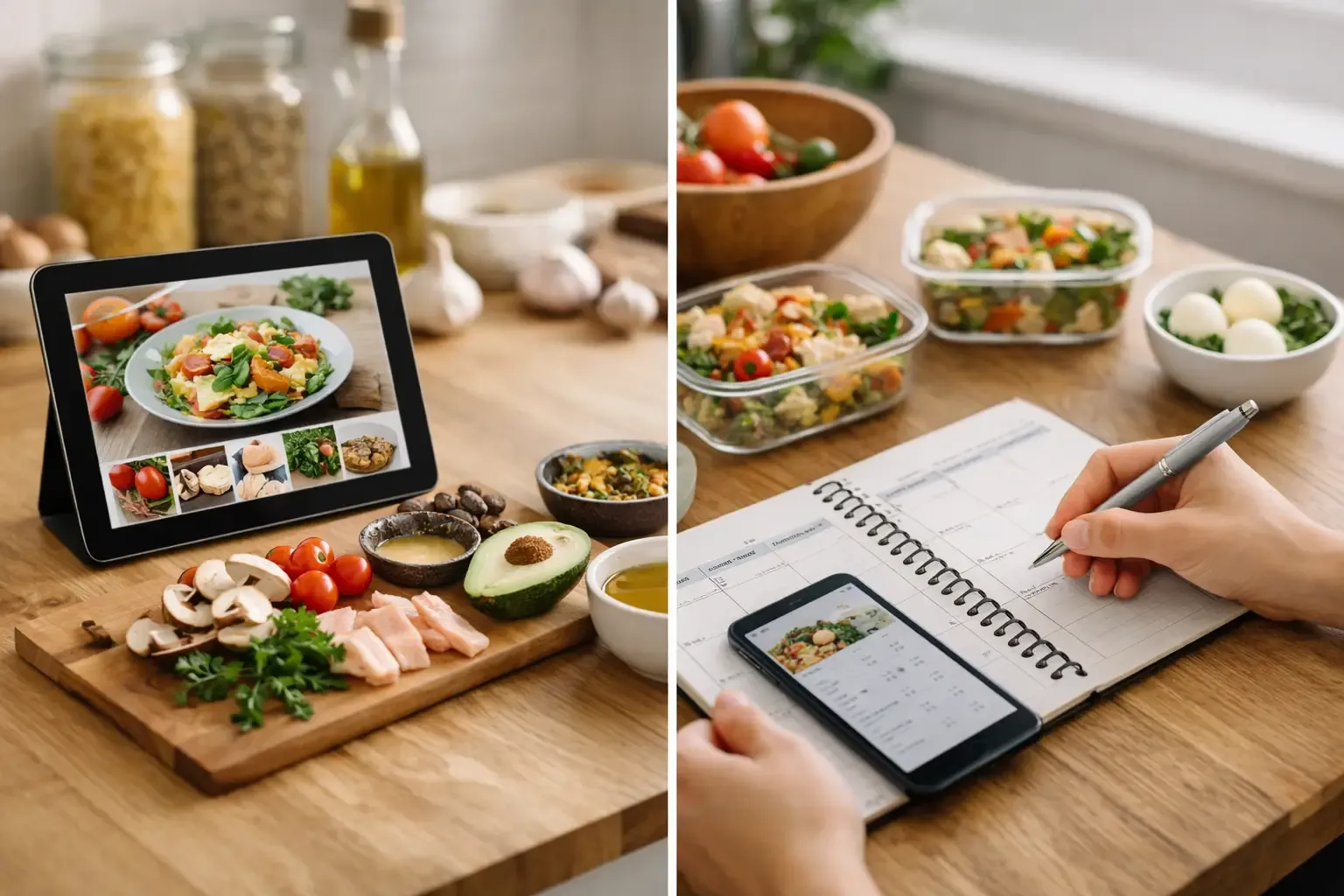
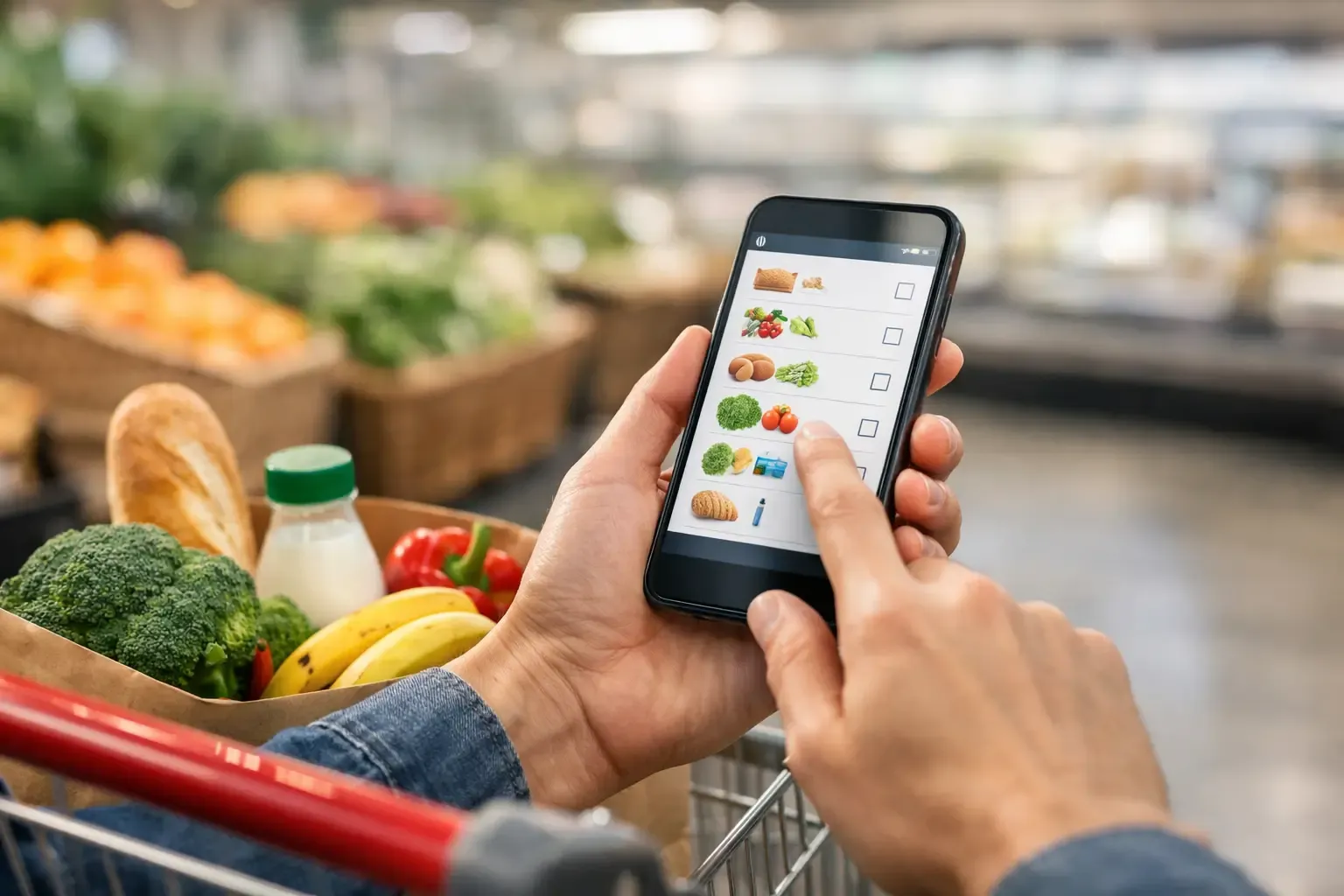
A useful automatic grocery list app does more than collect items. It starts with your meals, checks your pantry, subtracts what you already have, and gives you a shopping list based on the gap. That sounds simple, but it changes the whole workflow. Instead of shopping first and figuring out dinner later, you plan first and buy only what your week actually needs.
That is the difference between list automation and kitchen organization. The first saves taps. The second removes friction.
Why manual grocery lists keep creating the same problems
The issue is not that people cannot write a list. The issue is that the list is usually built too late and with incomplete information.
You remember two meals you want to make, vaguely recall what is in the fridge, and add extra ingredients just in case. Then you get home with another bottle of soy sauce, no scallions, and produce that overlaps with what was already hiding in a drawer. A handwritten list, or even a shared notes app, cannot tell you what you already own or what your meal plan will consume this week.
That is why grocery shopping often feels oddly inefficient even when you are trying to be organized. The list is disconnected from inventory and disconnected from decisions. It records what you think you need, not what you actually need.
The core features that matter in an automatic grocery list app
The best apps do not win by cramming in more content. They win by reducing the number of separate steps between deciding what to eat and having the right ingredients on hand.
Pantry-aware list generation
This is the feature that matters most. If an app cannot account for what is already in your fridge, freezer, and pantry, it is not really automatic. It is just faster manual entry.
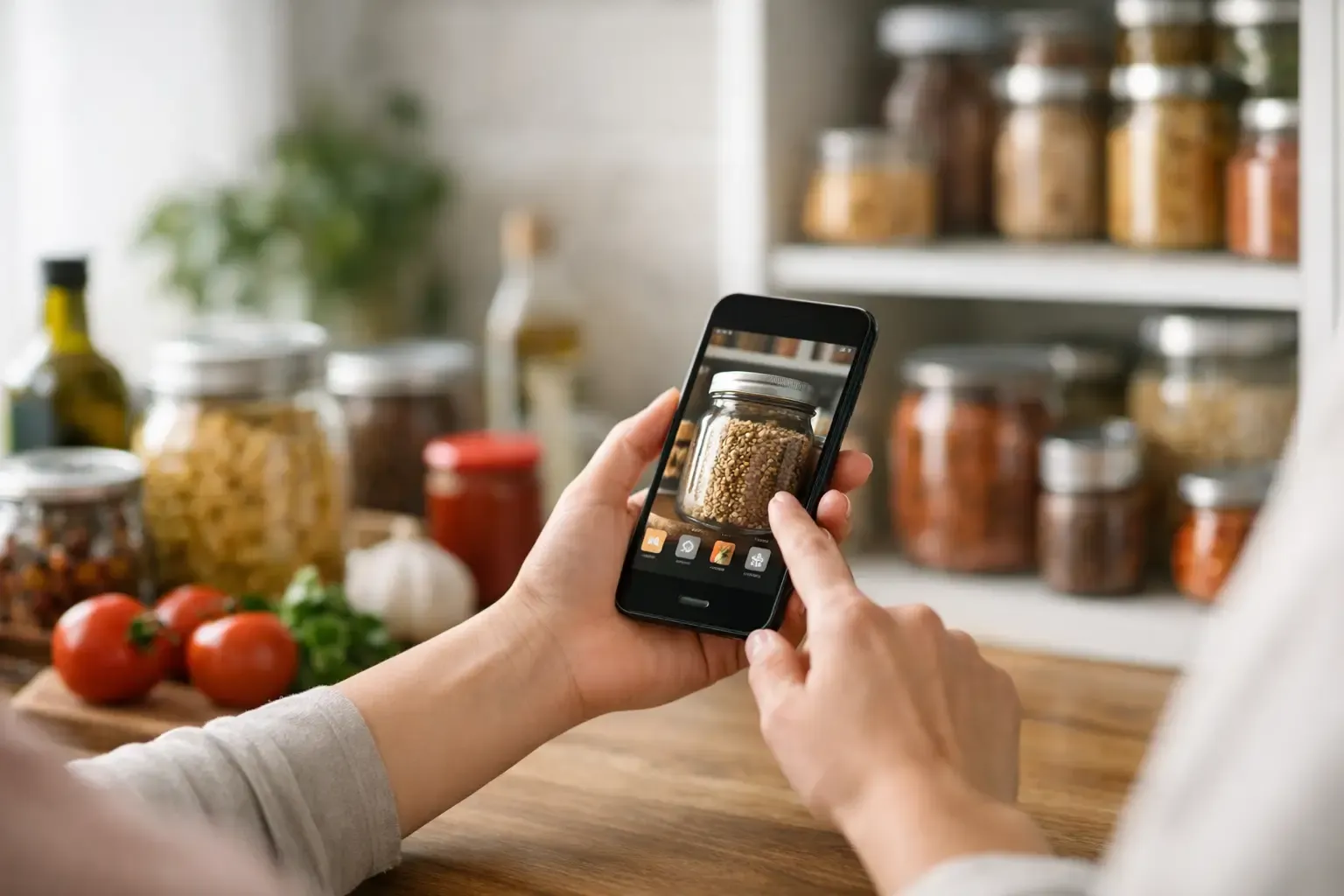
Pantry awareness means the app can recognize that you already have rice, half an onion, and a jar of pasta sauce, then leave those off the list or adjust quantities. Without that step, automation is mostly cosmetic.
There is some nuance here. Pantry tracking only works if it is easy enough to keep updated. If an app expects perfect inventory management, many people will stop using it after a week. The better approach is practical tracking: staple awareness, flexible quantity estimates, and a setup that helps without turning your kitchen into an auditing project.
Meal-plan integration
A grocery list should come from an actual plan, even a loose one. If you know you are cooking tacos on Tuesday, pasta on Thursday, and soup over the weekend, your list can be generated with purpose.
This matters because meal planning reduces impulse buying and forgotten ingredients at the same time. It also makes substitutions easier. If one dinner changes, the list should change with it. That is where automation starts feeling useful instead of gimmicky.
Ingredient-level intelligence
Many apps can add recipe ingredients to a list. Fewer can break them down accurately, combine duplicates, normalize units, or account for substitutions in a sensible way.
If one recipe calls for two carrots and another calls for one cup of chopped carrots, the app should help consolidate that into a realistic purchase. It does not have to be perfect to be valuable, but it should be better than copy-pasting ingredients into a notes app.
Shared household support
For couples and small households, grocery coordination often breaks down because one person plans meals and the other shops. A good app should make the current list visible, editable, and easy to trust.
This is one of those features that depends on the household. If you shop alone, it matters less. If two people are buying food for the same kitchen, it matters a lot.
What most apps get wrong
A common mistake is treating recipes as the center of the experience instead of the kitchen itself. That usually leads to clutter: endless recipe browsing, ads, blog-style filler, and too much scrolling before you can answer a basic question like, what do I need to buy for dinner tomorrow?
Another mistake is pushing list automation without grounding it in real household data. If the app does not know what you have, what you plan to cook, or how ingredients overlap across meals, the list may still look polished while quietly producing waste.
There is also a privacy and friction problem. Many food apps demand an account before they let you test basic functionality. For users who just want to organize dinner and avoid overbuying cilantro again, that is unnecessary friction. A kitchen tool should earn commitment by being useful first.
How to tell if an automatic grocery list app will work for you
Start with your actual pain point, not the feature list.
If your main problem is forgetting staples, a simple list app may be enough. If your problem is buying ingredients you already own, letting produce expire, or struggling to connect recipes with what is on hand, you need something more integrated.
The right test is straightforward. Can the app help you plan a few meals, compare those meals against your pantry, and generate a list that feels shorter and more accurate than the one you would make yourself? If yes, it is solving the right problem. If not, the automation is probably shallow.
It is also worth checking how much work the app creates in return. Some systems promise control but demand too much maintenance. If every pantry update feels like data entry, adoption will slip. The best tools reduce total kitchen admin, even if they ask for a little setup up front.
Where this kind of app saves the most money
The obvious answer is fewer duplicate purchases, but that is only part of it.
The bigger savings usually come from using ingredients across multiple meals and catching food before it goes bad. If you can see that spinach needs to be used in the next two days, you are more likely to plan around it. If the app surfaces what is already available, dinner starts with your pantry instead of a fresh shopping trip.
That is also where nutrition gets easier to manage. When ingredients, recipes, and planning live together, it is easier to make practical adjustments without restarting from scratch. Swap a protein, use a different vegetable, reduce waste, and still keep the meal on track.
A better standard for grocery automation
An automatic grocery list app should not just help you shop faster. It should help you buy less of the wrong stuff, use more of what you already own, and make cooking decisions with less guesswork.
That means one system, not five. Pantry visibility. Meal planning that leads directly to a list. Recipes that work with real ingredients instead of fantasy kitchens. Useful substitutions. Credible ingredient data. Low friction from the start.
That is the practical standard. If an app cannot support that workflow, it may still be a decent list tool, but it is not really solving the weeknight problem.
Sously is built around that more useful version of automation: plan the week, track what you have, generate the list from the gap, and cook with fewer detours. That approach is less flashy than endless recipe content, but it is a lot more helpful when 6 p.m. hits and you need a real answer.
The best kitchen app is the one that removes a decision you were about to make twice.
Cook from what you have.
Sously is the meal-planning kitchen co-pilot the blog is written from — free to start on iPhone and Android.
Get Sously