How to Turn Freezer Items Into Real Dinners
Learn how to turn freezer items into dinners with a fast, flexible system for pairing staples, thawing safely, and shopping only for the gaps each week.
That bag of frozen broccoli, half-used pack of chicken thighs, and container of rice are not a meal plan yet. But they are close. The practical way to turn freezer items into dinners is not to hunt for a perfect recipe. It is to identify what can anchor a meal, what needs using soon, and what one or two fresh items will make the whole thing work.
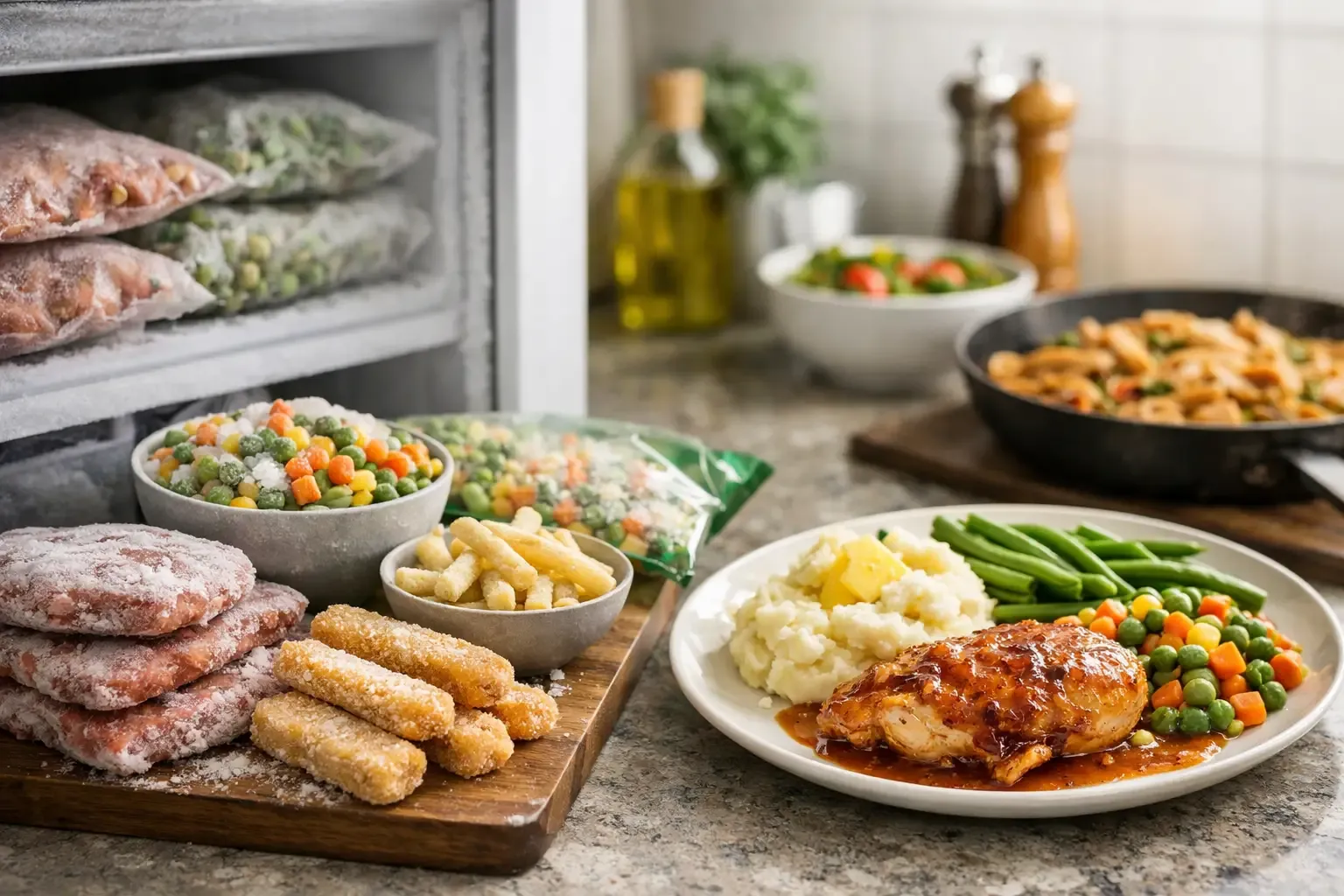
Freezer cooking gets easier when you stop treating frozen food as a backup plan. Your freezer is inventory: proteins, vegetables, cooked grains, sauces, and partial packages that can cover a meaningful part of dinner. The goal is not to use everything at once. It is to build a reliable system for using what you already bought before buying more.
Start with freezer anchors, not recipes
Open the freezer and look for an anchor. This is the item that gives dinner its direction, usually a protein or a substantial cooked ingredient. Frozen ground turkey points toward tacos, pasta sauce, lettuce cups, or grain bowls. Shrimp can become fried rice, sheet-pan fajitas, or a quick noodle skillet. Frozen dumplings can carry a dinner with broth, greens, and an egg.
Next, choose one supporting item. A frozen vegetable, cooked rice, tortillas, bread, or sauce can turn an anchor into a complete plate. You do not need every meal to be a freezer-only achievement. A bag of frozen meatballs plus a jar of marinara and fresh bread is a smart dinner, not a shortcut to apologize for.
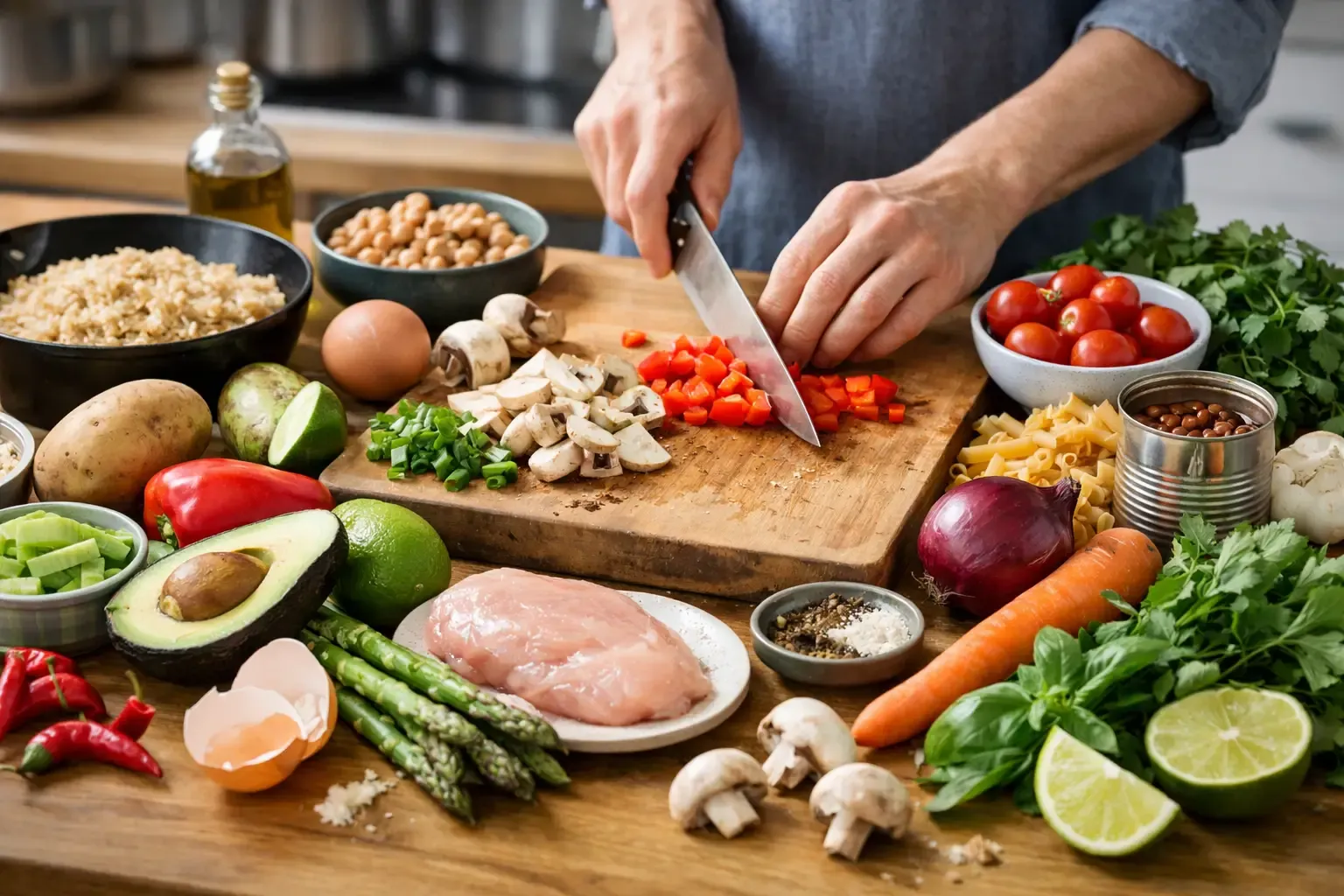
Think in meal structures instead of individual recipes. A protein plus vegetables plus a starch becomes a bowl, skillet, sheet-pan meal, soup, pasta, or taco night. That framework works even when the exact ingredients change.
Use the “one fresh gap” rule
Most freezer dinners improve with one fresh element. It might be a lemon for fish, spinach for soup, cilantro for tacos, or a salad kit beside pizza. Limiting yourself to one or two gaps keeps the grocery trip controlled and prevents a freezer cleanout from turning into another expensive shop.
For example, frozen salmon, peas, and cooked rice can become rice bowls with soy sauce and sesame oil. If you need one thing, buy cucumbers or scallions. Frozen chicken strips, corn, and tortillas can become tacos with a bag of slaw. The fresh item brings contrast, while the freezer handles the bulk of the meal.
Build dinners from three freezer categories
A quick inventory is more useful when items are grouped by how they function at dinner. You do not need a detailed spreadsheet. You need enough visibility to see combinations.
Proteins include chicken, fish, ground meat, sausage, tofu, cooked beans, meatballs, and leftover chili. These usually determine the cooking method and flavor direction.
Bases include cooked rice, quinoa, pasta, bread, pizza dough, tortillas, potatoes, and broth. They make a small amount of protein feed a household and are especially useful on busy nights.
Boosters include vegetables, herbs, shredded cheese, stock, sauces, and flavor starters such as ginger, garlic, or chopped onions. Frozen vegetables are not just a side dish. They can fill out stir-fries, soups, pasta, casseroles, and grain bowls without prep work.
When you can see one item from each category, dinner becomes a short decision. Frozen turkey, rice, and peppers? Make a skillet bowl. Shrimp, tortillas, and corn? Make tacos. Ravioli, spinach, and marinara? Make a 15-minute dinner with no complicated planning required.
Choose the right thawing method
Thawing is often the part that breaks a freezer dinner plan. The safest and most predictable option is thawing in the refrigerator, ideally overnight. Put the next day’s protein on a plate or in a container so any liquid stays contained.
If you need dinner sooner, use cold water. Keep food in a leakproof package, submerge it in cold water, and change the water every 30 minutes. Cook it immediately once thawed. A microwave can also work, especially for ground meat or smaller portions, but it may start cooking the edges. If you use it, move straight to the stove, oven, or air fryer.
Some foods do not need thawing at all. Frozen vegetables, cooked grains, dumplings, meatballs, shrimp, and many thin cuts of fish can go directly into the pan or oven. Cooking from frozen is often the better choice for speed, though it can release extra moisture. Use a hot pan, avoid overcrowding, and cook in batches if crisp edges matter.
The trade-off is simple: thawed food generally browns better, while frozen food is faster and requires less planning. Choose based on the meal, not a rigid rule.
Five dependable ways to turn freezer items into dinners
The best freezer meals are repeatable. They use flexible formats that tolerate substitutions and partial packages.
1. The skillet bowl
Cook a protein with a frozen vegetable blend, then add cooked rice, quinoa, or cauliflower rice. Season with a sauce you already keep around: teriyaki, salsa, pesto, curry paste, or a mix of soy sauce and peanut butter. A fried egg, fresh herbs, or a squeeze of lime can finish it, but the bowl works without them.
2. The sheet-pan dinner
Put chicken sausage, fish fillets, meatballs, or tofu on a pan with frozen vegetables. Toss with oil and seasoning, then roast until hot and browned. Add a starch that can cook alongside it, such as frozen potatoes or a piece of naan warmed near the end. This format has minimal cleanup, but frozen vegetables can steam instead of roast if piled too high. Give them room on the pan.
3. The pantry-freezer pasta
Combine frozen vegetables with pasta, canned beans, sausage, chicken, or meatballs. Use jarred tomato sauce, broth, olive oil and garlic, or a simple cheese sauce. Pasta is particularly good for using smaller amounts of several ingredients that would not be enough on their own.
4. The broth-based dinner
Frozen dumplings, cooked chicken, vegetables, and broth can become soup in minutes. Add noodles, rice, or beans if you need it to be more filling. This is also a useful format for freezer-burned vegetables, which may not shine on a sheet pan but work well in a strongly flavored soup.
5. The taco, wrap, or toast night
Tortillas, flatbreads, and sliced bread are freezer workhorses. Add seasoned protein, beans, corn, cheese, or leftover cooked vegetables. A freezer item does not need to be the star. Even a few frozen falafel or veggie burgers can become dinner when paired with a wrap and a crunchy fresh side.
Prevent the freezer from becoming a mystery drawer
The problem is rarely a lack of food. It is poor visibility. Label packages with the item and date, especially leftovers and portions moved from larger bags. Store older food toward the front and new purchases behind it. If a package holds enough for two meals, divide it before freezing so you do not have to thaw more than you need.
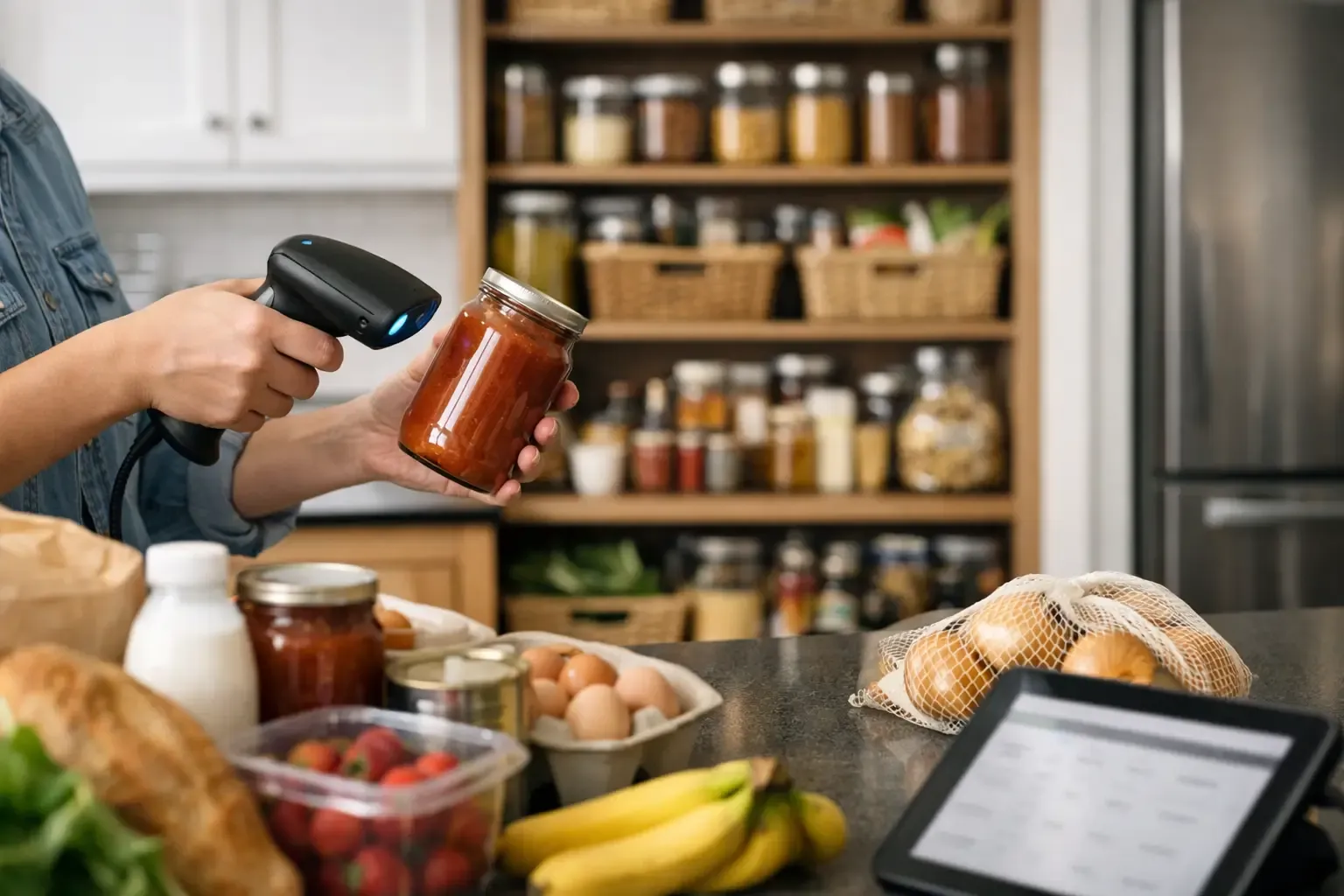
Keep a simple running list of what is in the freezer, or use a pantry tool that lets you log items as you buy them and mark them off as you cook. Sously can keep freezer inventory alongside your meal plan and shopping list, making it easier to plan around what is already there instead of starting each week from scratch.
A weekly five-minute check is usually enough. Identify two freezer items to use, then plan meals that rely on them. This prevents the familiar cycle of buying another bag of chicken because you forgot the one already buried under frozen fruit.
Shop for support, not duplicates
Before grocery shopping, look at the freezer first. If you have proteins and vegetables covered, buy the ingredients that make them usable: salad greens, fruit, dairy, herbs, bread, or a few sauces. If you have several meals worth of frozen food but no bases, restock rice, pasta, tortillas, and broth.
This approach also reduces waste outside the freezer. Instead of buying a full recipe’s worth of ingredients for every night, you can use frozen inventory as the foundation and purchase fresh food in smaller, more realistic quantities. For a couple or small household, that often means fewer forgotten produce bags and fewer duplicate pantry purchases.
There is no prize for making every dinner entirely from frozen items. The useful standard is simpler: use the food you have, fill only the real gaps, and make a dinner you will actually want to eat tonight.
Cook from what you have.
Sously is the meal-planning kitchen co-pilot the blog is written from — free to start on iPhone and Android.
Get Sously