How to Create Grocery Lists From Recipes
Learn how to create grocery lists from recipes, subtract pantry staples, combine quantities, and shop with less waste, stress, and duplicate buying now.
A recipe is not a grocery list. It tells you what one dish needs, often for one serving size, with little help on what is already in your fridge or whether another meal uses the same ingredient. To create grocery lists from recipes without overbuying, you need to turn a group of meals into one practical plan: combined quantities, pantry checks, realistic substitutions, and an order that makes sense at the store.
That sounds basic, but it solves the part of meal planning that usually breaks down on Tuesday night. The goal is not a perfectly stocked kitchen. It is enough food for the meals you plan, fewer duplicates, and a shorter trip through the store.
Start with meals, not individual recipes
Building a list one recipe at a time is the fastest way to buy three bunches of cilantro, two jars of the same spice, and more chicken than you can use before Friday. Choose the meals for the period you are actually shopping for first. For most small households, that means three to five dinners, plus a few breakfast, lunch, or snack needs.
Be honest about your week. A five-recipe plan is not useful if two nights will be takeout, late work meetings, or leftovers. Pick meals that share ingredients when it helps, but do not force every dinner into the same flavor profile. Roasted vegetables can work across tacos, grain bowls, and pasta, while a rotisserie chicken can cover sandwiches and soup.
Serving sizes matter here. If a recipe serves four and you are cooking for two, halve it before adding ingredients to the list. If you want leftovers for lunch, keep the full amount. The right quantity is based on how you will eat, not what the recipe author happened to publish.
How to create grocery lists from recipes in one pass
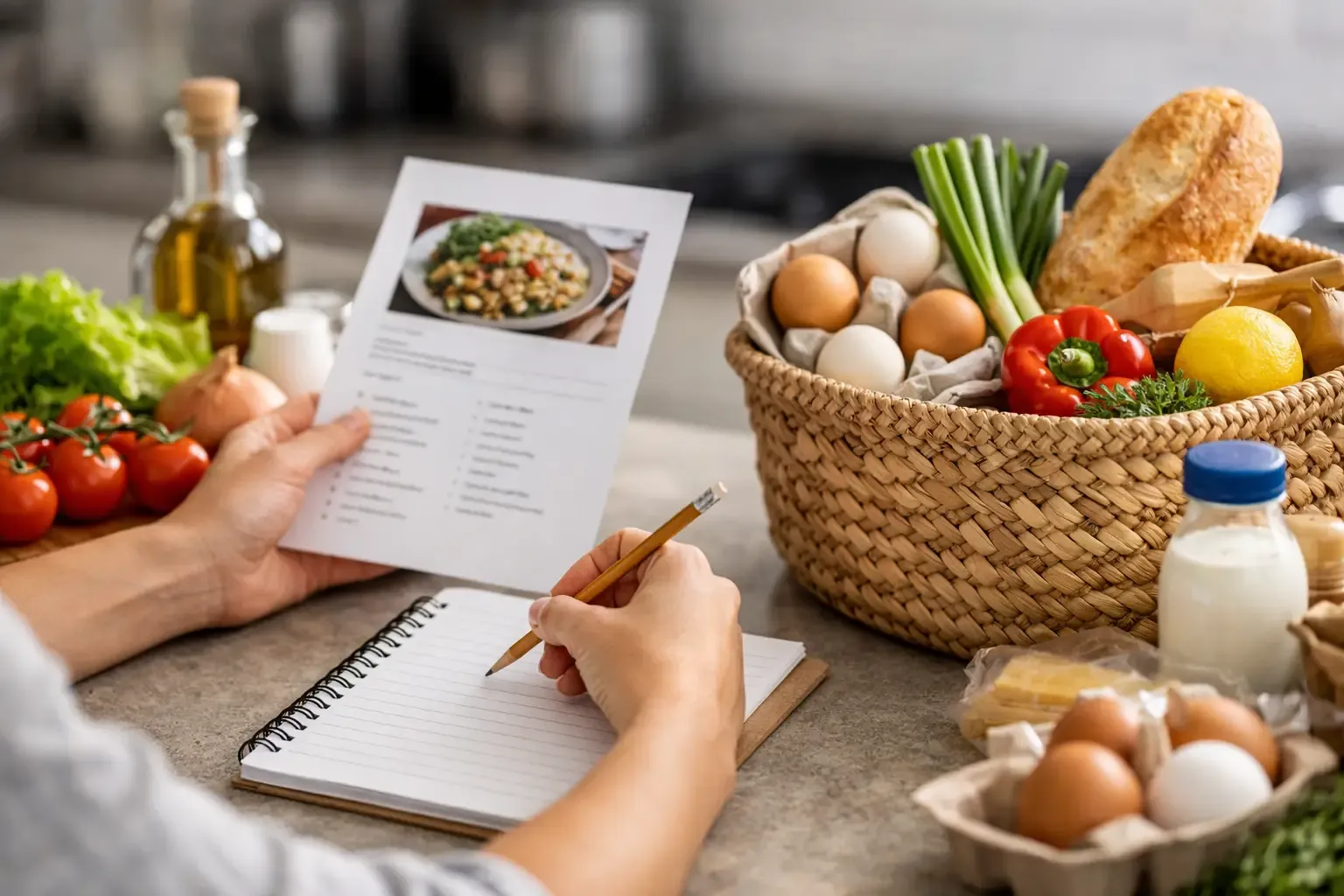
Once your meals are selected, pull every ingredient into a single working list. Do this before deciding what to buy. A recipe list may say one onion, another may call for half an onion, and a third may need a diced onion. Together, that is not three separate decisions. It is a quantity you can buy once and use across the week.
Standardize ingredients as you combine them. Treat “yellow onion” and “onion” as the same item if either works. Keep “fresh spinach” separate from frozen spinach because they cook differently and are not always interchangeable. This small cleanup step prevents a list from becoming a pile of near-duplicates.
Then total quantities where units match. Two recipes needing 1 cup of broth each become 2 cups. If one recipe calls for a 15-ounce can of tomatoes and another calls for 2 cups, check the can size before adding more. Grocery packaging rarely matches recipes exactly, so round to a sensible purchase amount rather than chasing precision that will not exist in the aisle.
For ingredients sold by package, use the package as the planning unit. You may need 6 ounces of mushrooms, but the store may sell 8-ounce packages. Add one package, then decide where the extra 2 ounces will go. Omelets, pasta, and grain bowls are usually easier answers than leaving a partial package to disappear in the fridge.
Keep recipe quantities separate from buying quantities
This distinction avoids a common mistake. Your meal plan might need 10 ounces of chicken, but your shopping list should say one 1-pound package if that is what the store carries. Your recipe needs 2 tablespoons of sour cream, but your list may need one small container.
A useful list preserves both pieces of information: what the week requires and what you need to purchase. That lets you adjust when packages are out of stock, prices are high, or you decide to swap one meal.
Check what you already have before you shop
The most expensive grocery item is often the duplicate you buy because you could not remember what was at home. Before finalizing the list, check your pantry, refrigerator, freezer, and any open items that need to be used soon.
Do not treat every staple the same. Salt, cooking oil, flour, and common spices may be reliable pantry basics in one household but not another. Put them on the list only when you know you are low. Fresh ingredients are different: a half bag of spinach, opened yogurt, or leftover herbs should influence the meal plan because their usable window is short.
Subtract what you have from what the recipes need. If the plan requires two bell peppers and you have one, buy one. If it needs a cup of rice and you have a nearly empty bag, check whether the remaining amount is enough before assuming it is. This is where a pantry inventory earns its place. It replaces guesswork with a quick decision.
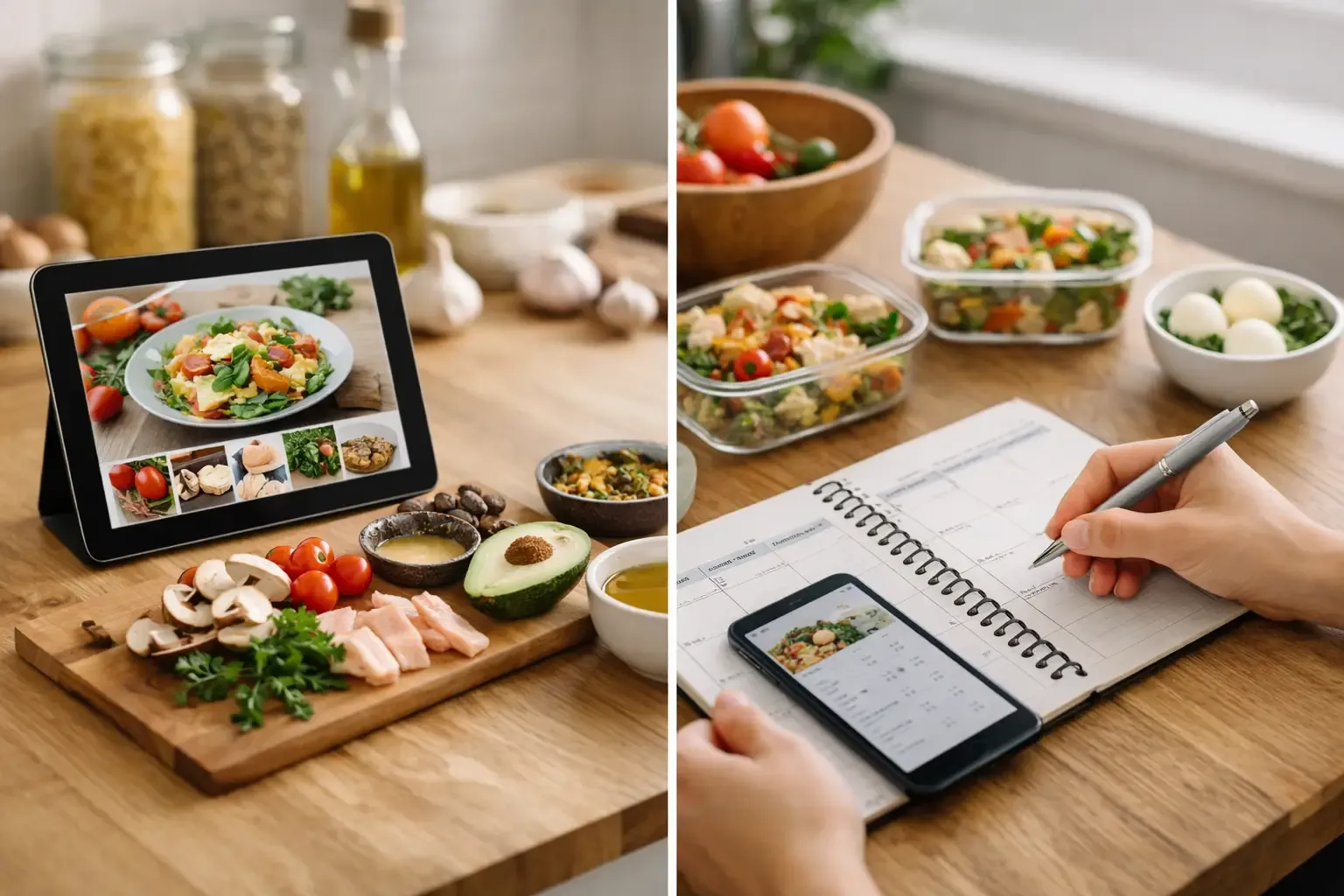
Sously is designed around this exact workflow: plan meals, track food across the pantry, fridge, and freezer, then generate a shopping list that accounts for ingredients already on hand. The point is not more tracking. It is avoiding the manual comparison that makes people abandon meal planning in the first place.
Group the list by how you shop
A list organized in recipe order works at the kitchen counter and fails in a grocery store. Put items into store-friendly sections such as produce, meat and seafood, dairy and eggs, pantry, frozen, and household items. If your store has a layout you know well, arrange sections in the order you walk through them.
Keep notes attached to items when they affect the purchase. “Plain Greek yogurt, 5%” is more useful than “yogurt” if you need it for a sauce. “Canned black beans, low sodium” helps if sodium is a concern. But avoid turning every item into a paragraph. The list should support fast choices, not make shopping feel like reading recipe instructions in an aisle.
For produce, add a use-by cue when needed. Write “spinach - use Monday” or “avocados - for Thursday” if timing matters. This helps you store and cook the most perishable food first instead of letting a good plan become food waste.
Build in substitutions before the store makes you choose
A grocery list is more useful when it includes a fallback for ingredients that are expensive, unavailable, or not worth a special trip. The key is to substitute by function, not by name.
If a recipe needs kale for a sauté, spinach or chard can often work. If it needs Greek yogurt for creaminess, sour cream may work, though it will be richer and less tangy. For herbs, dried herbs can stand in for fresh ones in many cooked dishes, but they are stronger and should be used in smaller amounts. A reasonable starting point is one teaspoon dried herbs for one tablespoon fresh.
Some swaps change the dish more than others. Replacing broccoli with green beans is usually low risk. Replacing tomato paste with fresh tomatoes can alter both flavor and texture. When an ingredient is central to a recipe, it may be smarter to choose a different meal than to buy a substitute that creates a disappointing result.
This is also where cost matters. If salmon is on sale, it can replace another quick-cooking protein in several meals. If it is not, chicken thighs, canned beans, or eggs may make more sense depending on the recipe. A good list gives you room to adapt without starting over.
Use the list as a cooking plan, not a shopping receipt
After shopping, your list should still be useful. Check off purchases, then compare the remaining items with your meal plan. If something was unavailable, decide immediately which recipe changes and what ingredient takes its place. Waiting until dinner is when missing ingredients become a reason to order food.
Put the week’s most perishable items where you will see them. Wash and store greens if that helps you use them. Freeze meat you will not cook within a day or two. Label leftovers with the meal and date. These are small actions, but they protect the effort you put into planning and shopping.
The best grocery list does not ask you to be more disciplined than your life allows. It gives each ingredient a job, accounts for what is already in the kitchen, and leaves enough flexibility for the store you actually walk into. Plan the meals you will cook, shop only for the gap, and let the list make weeknight dinner easier before you need it.
Cook from what you have.
Sously is the meal-planning kitchen co-pilot the blog is written from — free to start on iPhone and Android.
Get Sously