How to Plan Meals for the Week
Learn how to plan meals for the week using what you already have, shop with less waste, and make weeknight cooking faster and simpler.
Most meal plans fail on Wednesday. Not because you lack discipline, but because the plan ignored what was already in your fridge, how much time you actually had, and whether you wanted to cook at all. If you want to know how to plan meals for the week in a way that holds up in real life, start with your constraints, not your aspirations.
A workable meal plan should reduce decisions, prevent duplicate grocery buys, and give you enough flexibility to handle a long workday. It should also help you use ingredients before they go bad. That means the best weekly plan is usually not a set of seven ambitious recipes. It is a small system.
How to plan meals for the week without overcomplicating it
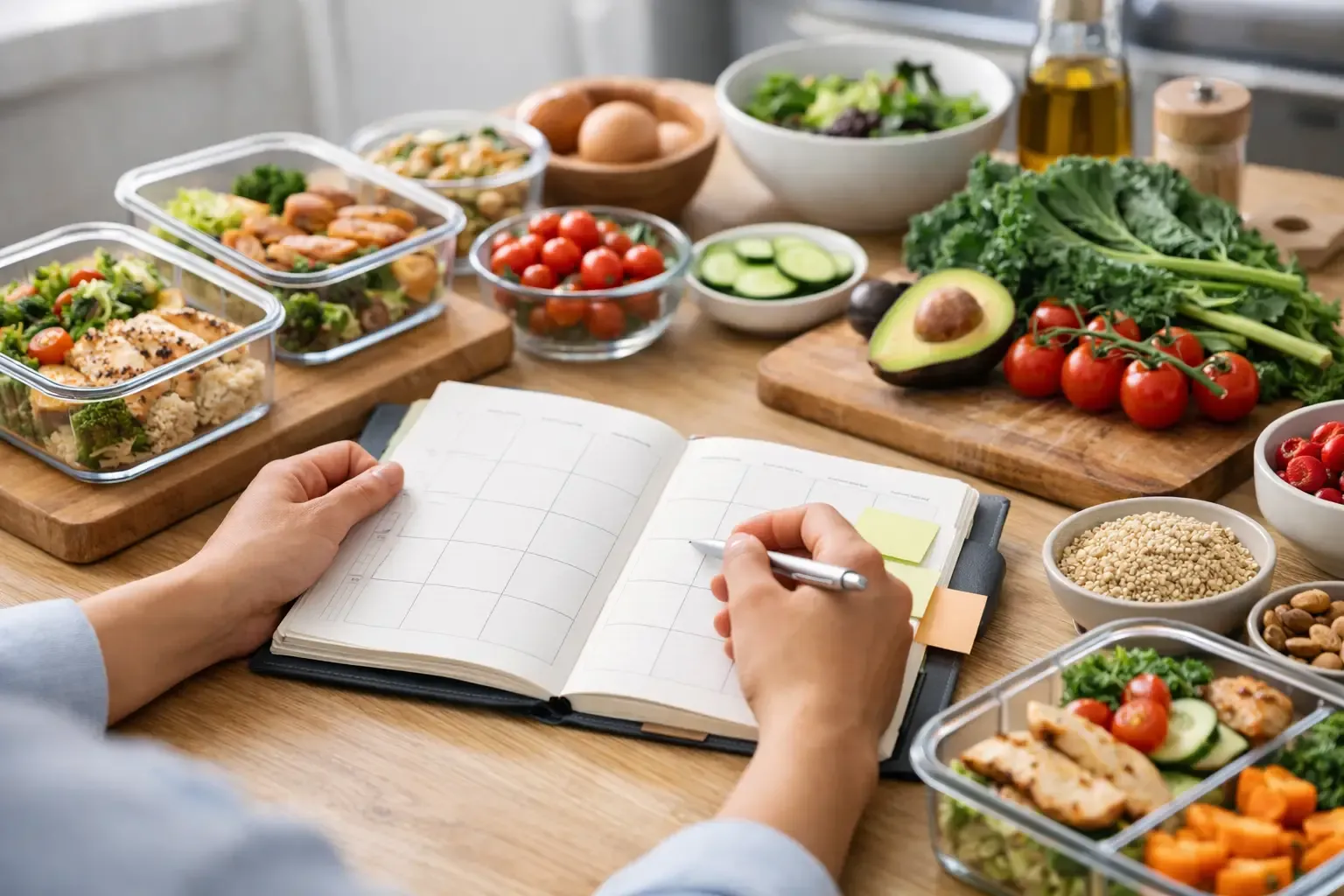
The simplest approach is to build your week in this order: check what you already have, decide how many dinners you truly need, choose a few meals that share ingredients, then shop only for the gaps. That sounds obvious, but most people reverse it. They start with recipes, then buy everything on the list, then realize they already had half an onion, a bag of spinach, and two chicken thighs that should have been used first.
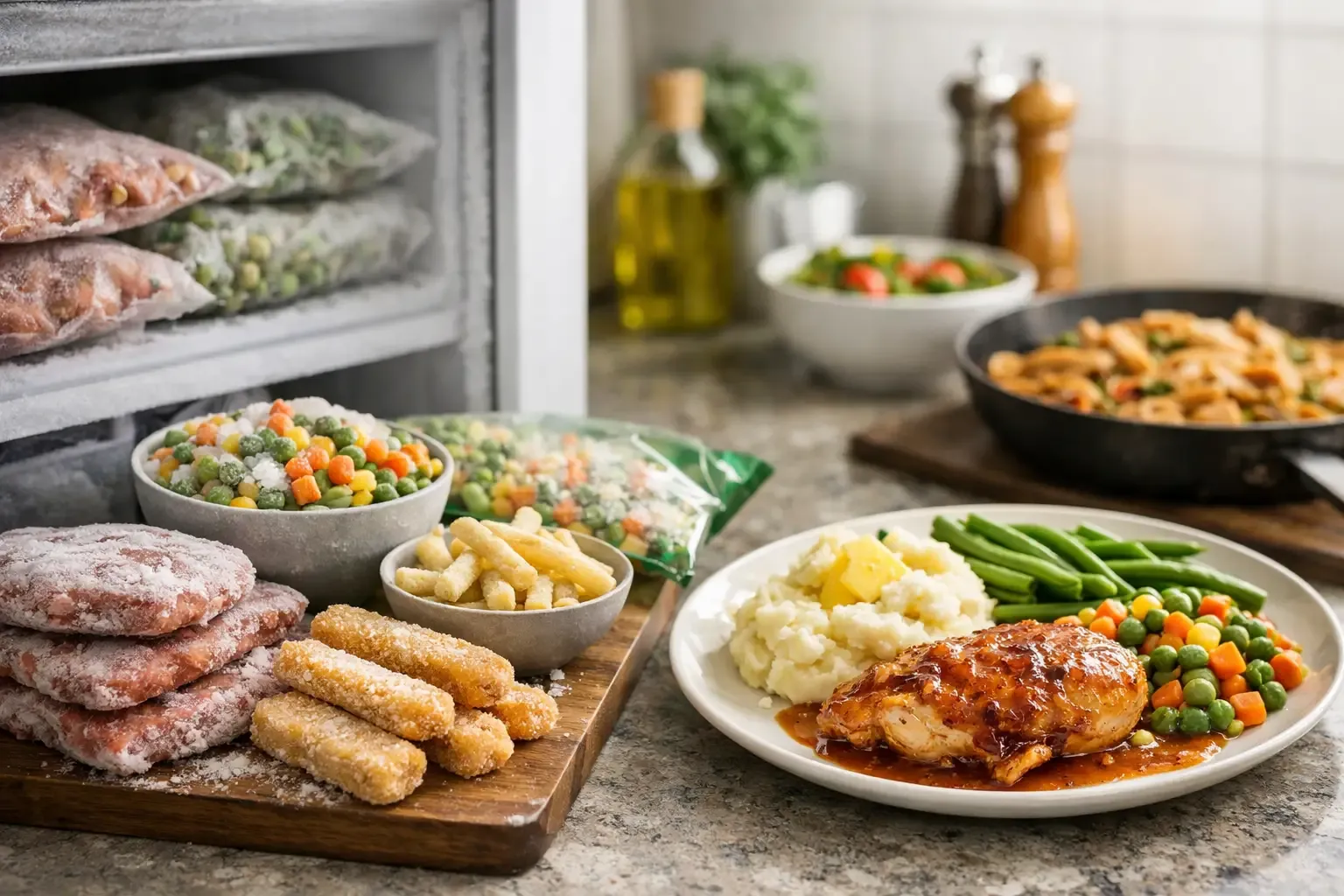
Start with a fast inventory. Look at the fridge, freezer, and pantry with one question in mind: what needs to be used soon? Fresh herbs, leftover cooked rice, produce on the edge, open jars, and proteins that have been sitting in the freezer for too long should all shape the plan. This step matters more than browsing for ideas because it turns meal planning into kitchen management, not just meal inspiration.
Next, decide how many meals actually need planning. If you eat out on Friday, have leftovers twice, and keep one emergency freezer meal around, you may only need three or four dinners. Planning every single meal can create pressure you do not need. For busy households, fewer planned meals often leads to better follow-through.
Then match meals to your week, not just your appetite. A 45-minute skillet pasta might be realistic on Sunday, but not on a Tuesday with back-to-back meetings. Put faster meals on your busiest days and save more involved cooking for evenings with more margin. The plan should fit your calendar before it fits your cravings.
Build your weekly meal plan around what you already own
This is where most waste starts or stops. If you plan meals around ingredients already in the kitchen, you spend less, throw away less, and avoid the familiar cycle of buying duplicates because you forgot what you had.
Think in terms of anchor ingredients. An anchor might be a pound of ground turkey, half a carton of eggs, a head of broccoli, tortillas, or cooked quinoa. Once you identify a few anchors, build meals that use them in different ways. Ground turkey can become tacos one night and fried rice the next. Broccoli can go into a sheet pan dinner, then into a quick pasta or omelet. Reuse lowers effort because each ingredient works harder.
It also helps to plan with a simple sequence. Use the most perishable foods first, then rely more on freezer and pantry ingredients later in the week. For example, salad greens and fresh fish belong earlier. Frozen dumplings, canned beans, and pasta can wait. This order gives your groceries a better chance of getting used.
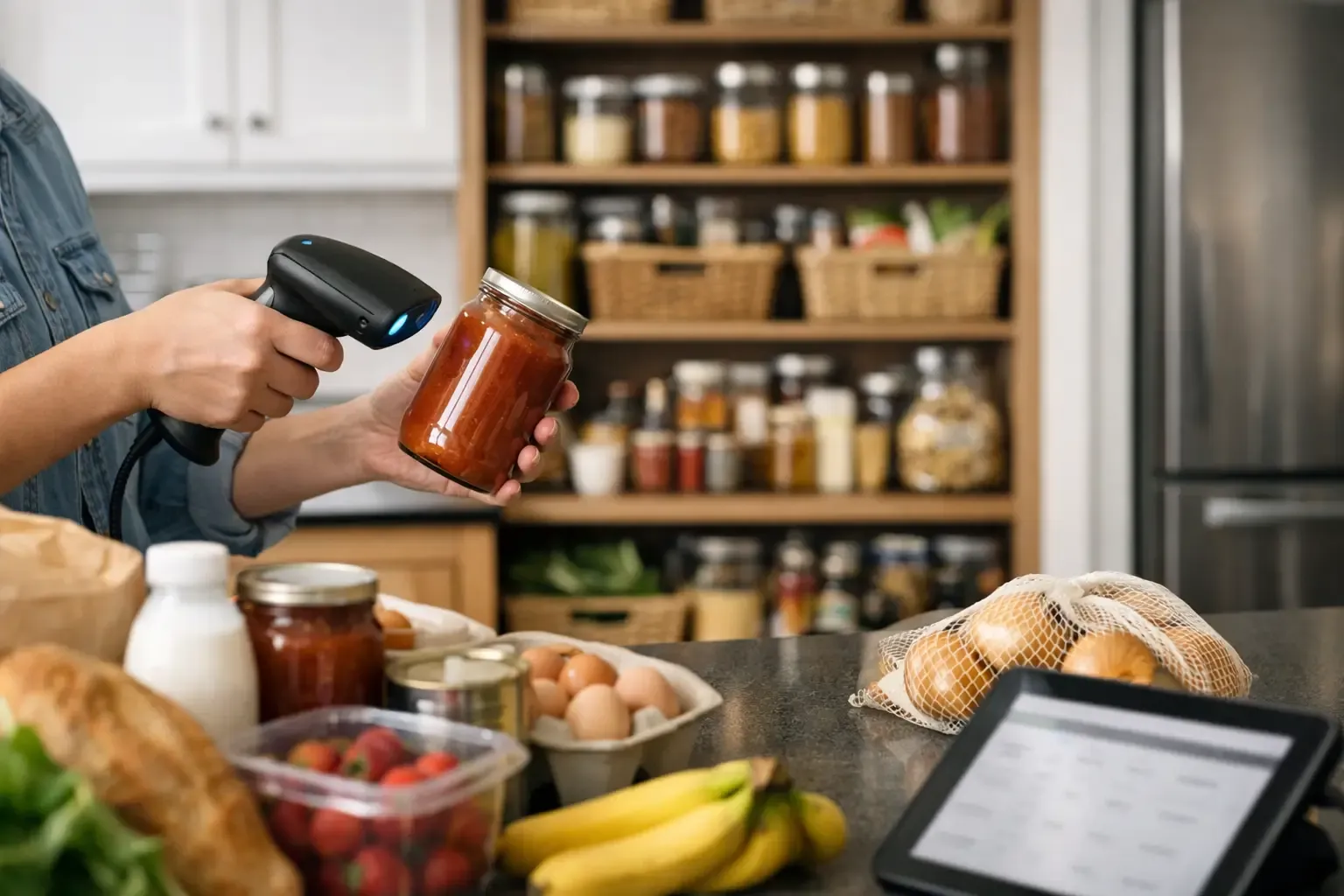
If you use a tool for this, the useful feature is not endless recipe content. It is visibility. A pantry tracker and planner in the same place can tell you what is on hand, what needs using, and what is missing from your cart. That is much more useful than reading another recipe page padded with ads and life stories.
Choose meals with overlap, not repetition
A good weekly plan avoids two extremes: seven unrelated meals that require a huge grocery run, or five nights of the exact same leftovers. The middle ground is ingredient overlap.
Overlap means selecting meals that share produce, proteins, sauces, or grains while still feeling different on the plate. Chicken can show up as grain bowls, quesadillas, and soup. A batch of roasted vegetables can support a side dish one night and become part of a frittata or pasta the next. Yogurt can work as breakfast, a sauce base, and a marinade ingredient.
This is where trade-offs matter. Ingredient overlap saves money and reduces waste, but too much overlap can make the week feel repetitive. For most small households, three core ingredients reused across two to three meals is the sweet spot. Enough efficiency to simplify shopping, but enough variety to keep meals interesting.
Templates help here. You do not need a brand-new plan every week. A repeatable structure like taco night, bowl night, pasta night, and leftover night reduces decision fatigue. You can swap ingredients based on what is already in the kitchen, but the framework stays stable. That is easier to maintain than constant novelty.
How to plan meals for the week when time is tight
Time pressure changes the kind of plan that works. If your week is packed, the right move is not to aim higher. It is to reduce friction.
Plan one or two very fast meals on purpose. These are not backup meals you hope not to need. They are part of the system. Think eggs and toast with vegetables, rotisserie chicken wraps, bean tacos, or noodle bowls built from freezer staples. These meals keep the plan from collapsing when the day runs long.
It also helps to separate cooking effort from meal quality. A useful dinner does not need three side dishes or a new technique. It needs protein, produce, and enough structure to feel like dinner. Some nights that means roasted sausage with vegetables. Some nights it means soup and a sandwich. Not every meal needs to perform.
Batch prep can help, but only if it matches your habits. If you reliably eat prepped lunches, make a big grain or roast a tray of vegetables. If you hate Sunday prep sessions, skip the fantasy version of yourself and choose low-effort meals instead. The best system is the one you will repeat next week.
Make your grocery list serve the plan
Once the meals are set, the grocery list should be short and exact. The goal is not to stock up on possibilities. The goal is to buy what closes the gap between your kitchen and your plan.
Write the list by ingredient, not by recipe. If three meals need onions, put the total amount once. If you already have soy sauce and rice, those should not show up again. This is where connected planning matters. When your shopping list reflects what is already on hand, you stop paying the tax of disorganization.
Be realistic about package sizes too. If a recipe calls for a tablespoon of parsley, buying one full bunch only makes sense if the rest already has a job. If not, choose a different herb, skip it, or plan a second meal that uses it. Small decisions like that have a big effect on waste over time.
For households that want less manual work, this is exactly where a kitchen app earns its keep. Sously, for example, subtracts on-hand ingredients from the shopping list so you are not rebuilding the same list from scratch every week. That is the useful part of automation: less duplicate buying, fewer forgotten ingredients, and less cleanup after the fact.
Leave room for substitutions and change
Even a solid plan needs flexibility. Maybe the avocados never ripen, maybe you are too tired to cook the stir-fry, maybe the chicken should be used tonight instead of tomorrow. A rigid plan breaks under normal life. A flexible one absorbs change.
Build that flexibility in from the start. Keep one shelf-stable meal in the week. Choose recipes that can swap proteins or vegetables without falling apart. Learn a few simple substitution rules so you can keep moving. If you planned spinach and only have kale, that is not a problem. If you planned sour cream and only have Greek yogurt, that probably works too. The more adaptable the meal, the less likely you are to abandon the plan and order takeout.
This is also why simple cooking formats tend to outperform highly specific recipes during the week. Bowls, soups, tacos, sheet pan dinners, fried rice, pasta, and omelets are forgiving. They let you use what you have and adjust quantities without much drama.
A weekly meal plan should get easier over time
The first week takes more effort because you are building awareness. After that, patterns appear. You notice how many dinners you really cook, which ingredients you overbuy, and which meals reliably save a busy night. That is useful data.
Treat meal planning like a repeatable operating system, not a test of creativity. Keep the meals that worked. Drop the ones that created stress. Reuse your own templates. Track what is in the pantry. Let the plan reflect your actual week, your actual appetite, and your actual kitchen.
That is how meal planning becomes sustainable. Not by being perfect, but by being accurate. Plan the week around what you have, keep the list tight, and leave just enough room for real life to happen.
Cook from what you have.
Sously is the meal-planning kitchen co-pilot the blog is written from — free to start on iPhone and Android.
Get Sously