How to Cook Dinner From Random Ingredients
Learn how to cook dinner from random ingredients using a simple pantry-first method for fast, flexible meals, smarter substitutions, and less waste now.
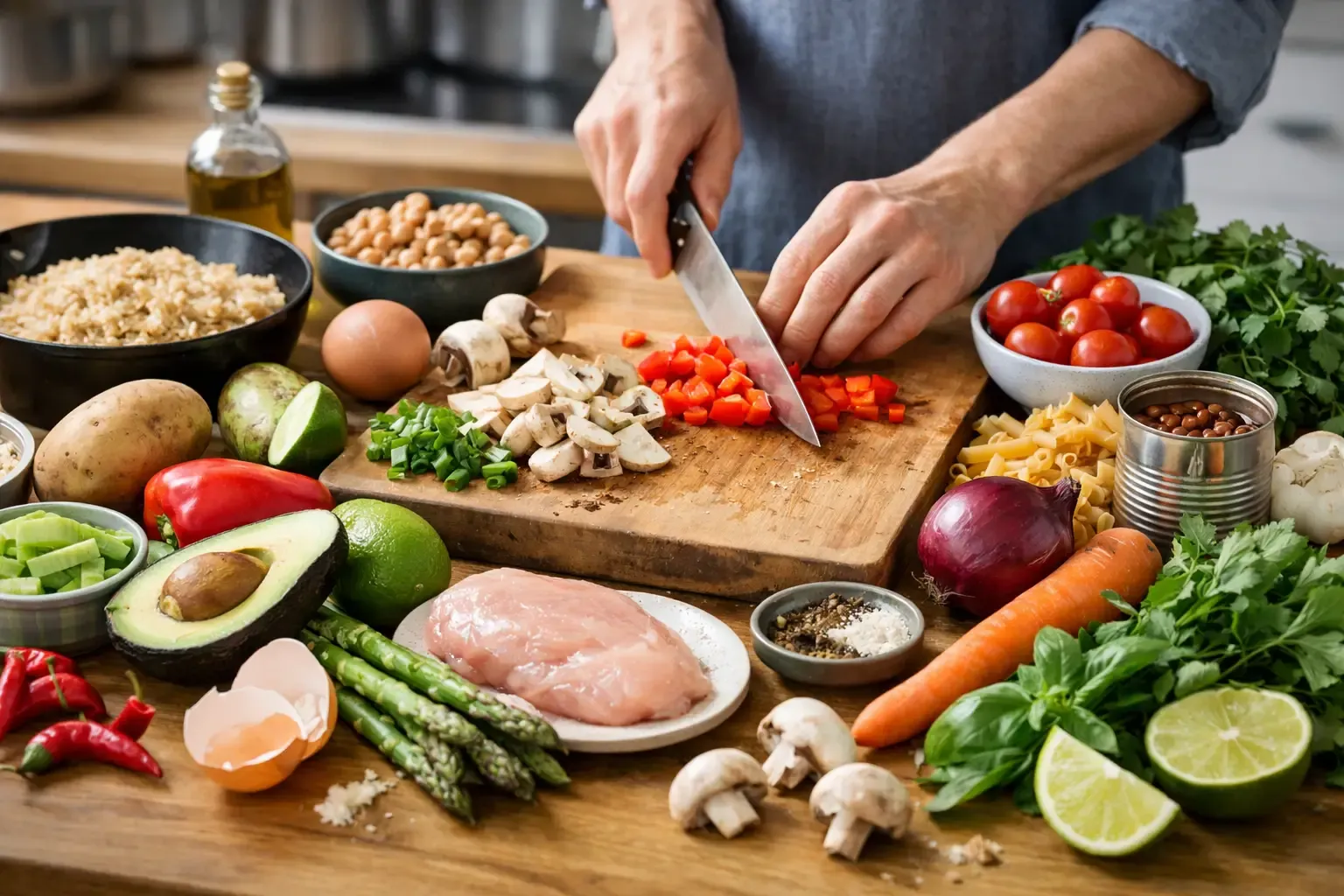
A half onion, wilting spinach, two eggs, a can of beans, and an open jar of salsa do not look like a dinner plan. But you can cook dinner from random ingredients when you stop looking for one perfect recipe and start building a meal from a few reliable parts.
The goal is not restaurant-level precision. It is getting a good dinner on the table before the ingredients you already bought become waste. That means using what needs attention first, making smart substitutions, and choosing a cooking method that can handle some flexibility.
Start With What Needs to Be Used First
Open the fridge before you open a recipe app. The most useful ingredient is usually the one closest to spoiling: tender greens, leftover cooked vegetables, cut herbs, cooked rice, opened dairy, or meat with a near expiration date.
Choose one or two of those items as the center of dinner. This immediately narrows the decision. If you have mushrooms and spinach that need to go, you are not deciding among every possible meal. You are deciding how to cook mushrooms and spinach with the other things in your kitchen.
Then check for an anchor. An anchor makes a collection of ingredients feel like a meal. It might be protein, such as eggs, beans, chicken, tofu, tuna, or lentils. It might be a starch, such as pasta, tortillas, rice, potatoes, bread, or noodles. Ideally, use both. If you only have one, the meal can still work, but add enough fat and seasoning to make it satisfying.
A practical formula is simple: use a perishable vegetable, add an anchor, then bring it together with a sauce or strong seasoning. That is enough structure for most weeknight dinners.
Cook Dinner From Random Ingredients With a Meal Format
Random ingredients become manageable when you assign them to a flexible meal format. Choose the format based on what you have and how much time you can give it.
A skillet meal works when you have vegetables, a protein, and something that can absorb flavor. Sauté the aromatics first, cook the protein if needed, add firm vegetables, then finish with quick-cooking greens, beans, leftover grains, or sauce. Think of it as a warm, one-pan bowl without the need to follow a bowl recipe.
An omelet, frittata, or egg scramble is the answer when your fridge contains small amounts of several vegetables. Cook the vegetables until their moisture is mostly gone, then add beaten eggs. Cheese is useful but not required. Serve with toast, potatoes, or a tortilla if you need more substance.
Pasta is especially forgiving. Combine sautéed vegetables with canned beans, sausage, tuna, or leftover chicken. Use tomato sauce, pesto, broth, lemon, butter, or a little pasta water to make it cohesive. A half-empty jar is often enough when it is stretched with cooking liquid and fat.
Tacos, quesadillas, and wraps are good for leftovers that do not otherwise match. Fill tortillas with roasted vegetables, beans, shredded meat, rice, eggs, cheese, or greens. Add salsa, hot sauce, yogurt, or a quick dressing. The tortilla creates the connection.
Soup and fried rice are better when the ingredients are less polished. Slightly soft carrots, celery, onions, frozen vegetables, leftover rice, beans, and bits of protein all have a place there. The trade-off is time: soup needs enough simmering to develop flavor, while fried rice works best with cold, dry rice and high heat.
Build Flavor in the Right Order
Most improvised dinners fail for one reason: everything goes into the pan at once. Different ingredients need different treatment.
Start with flavor builders. Onion, garlic, scallions, ginger, celery, peppers, and tomato paste all benefit from a few minutes in oil. This is where the base of the dish develops. If you do not have aromatics, use a small amount of dried onion, garlic powder, or a seasoning blend instead.
Next, cook ingredients by density. Potatoes, carrots, broccoli stems, and raw meat need more time than zucchini, peas, spinach, herbs, or already-cooked beans. Add quick-cooking ingredients near the end so they keep some texture.
Finish with contrast. A flat-tasting dinner usually needs salt, acid, heat, or richness - not another complicated ingredient. Add lemon juice, vinegar, salsa, pickled jalapeños, Parmesan, yogurt, butter, olive oil, soy sauce, or hot sauce in small amounts. Taste after each addition.
This is also where random pantry meals become personal. Tomato paste, cumin, and lime point toward a taco-style skillet. Soy sauce, ginger, and sesame oil suggest fried rice or noodles. Garlic, chili flakes, and lemon can turn beans and greens into a pasta sauce. You do not need to commit to a cuisine before you start. Let the condiments you have steer the dish.
Use substitutions by function, not by name
A substitution works when the replacement does the same job. Greek yogurt can replace sour cream because both add tang and creaminess. Beans can replace meat when the dish needs bulk and protein, though they will not provide the same savory fat. Broth or pasta water can loosen a sauce when you are out of cream.
Ratios matter more than perfection. For each pound of vegetables in a skillet, start with about one tablespoon of oil and a generous pinch of salt. For a basic vinaigrette or finishing sauce, use roughly three parts oil to one part acid. If a sauce is too sharp, add a little fat or sweetness. If it is heavy, add acid or a splash of water.
Be realistic about what cannot be swapped cleanly. Flour tortillas and lettuce leaves can both hold a filling, but they create different meals. Coconut milk can add richness, but it will change the flavor more than dairy. That is fine when you expect the change rather than treating it as a failed recipe.
A 20-Minute Example From a Typical Kitchen
Say you have half a bell pepper, a small onion, spinach, canned white beans, tortillas, salsa, and shredded cheese. Start the onion and pepper in a skillet with oil and salt. Once softened, add the drained beans, a spoonful of salsa, and a pinch of cumin or chili powder if you have it.
Fold in the spinach until wilted. Taste the filling. It may need more salt, a squeeze of lime, or hot sauce. Spoon it into tortillas, add cheese, and toast them in a dry skillet until crisp. Dinner is not complicated, but it uses the fragile produce, a shelf-stable protein, and ingredients that were already open.
If the tortillas are missing, serve the same mixture over rice, scoop it onto toast, add eggs, or eat it as a warm bean skillet. The format changes. The dinner does not disappear.
Keep a Short List of Rescue Ingredients
You do not need a pantry stocked like a test kitchen. A small group of flexible ingredients covers a lot of gaps: eggs, canned beans, canned tomatoes, pasta, rice, tortillas, onions, broth, frozen vegetables, cheese, and a few high-impact condiments.
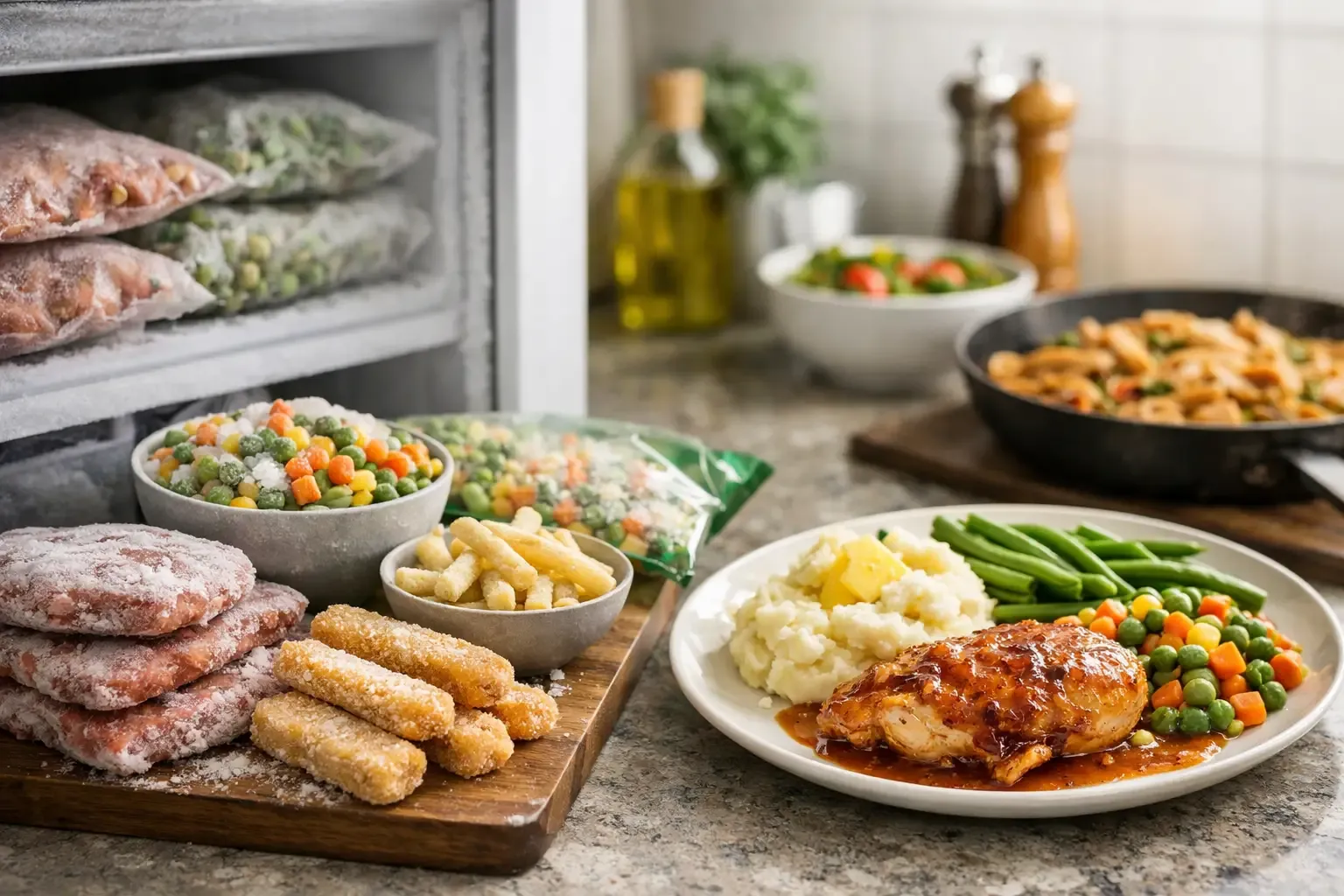
Frozen vegetables deserve more credit here. They are not a backup you have to apologize for. They are already chopped, reliable when fresh produce runs out, and easy to add to soup, pasta, rice, or eggs. Keep them in the freezer for the nights when “random ingredients” means one lonely carrot and a nearly empty crisper drawer.
Make the Next Dinner Easier
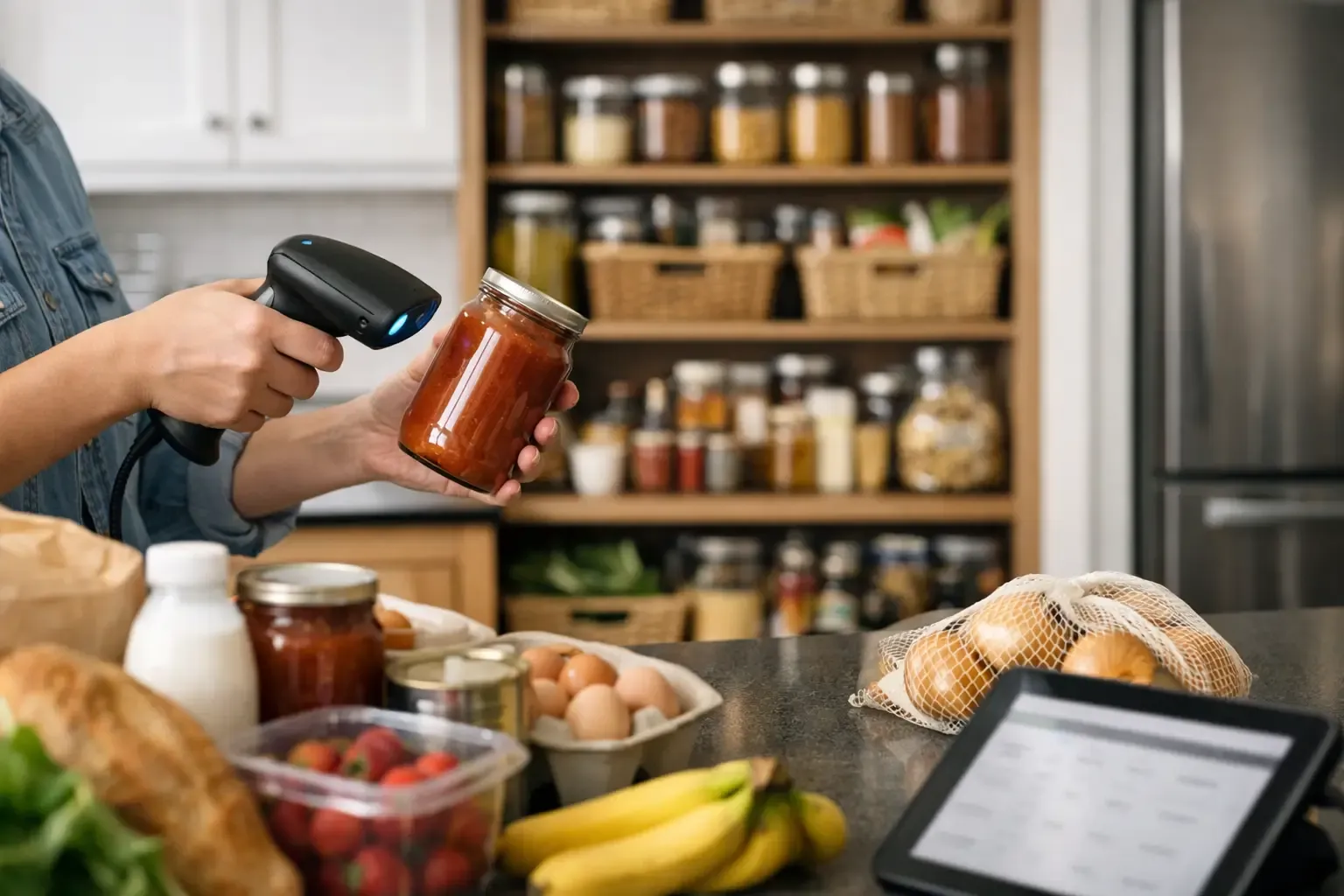
Improvising is faster when you know what is actually in your kitchen. A quick pantry check before grocery shopping prevents the usual problem: buying another bag of spinach while the first one is still hidden behind leftovers.
This is where a pantry-first tool like Sously is useful. Track what is on hand, prioritize ingredients that need using, and generate meal ideas around the food you already own instead of starting from a long recipe page and a new shopping list.
You do not need to use every ingredient tonight. Save a portion of the cooked vegetables for tomorrow's eggs, reserve extra rice for fried rice, or freeze a small amount of sauce before it gets forgotten. Cooking efficiently is often less about one clever dinner and more about setting up the next one.
Before you order takeout because the fridge looks unplanned, give yourself ten minutes: find the ingredient that needs using, choose a format, and season as you go. Most random ingredients are not a problem to solve. They are dinner waiting for a decision.
Cook from what you have.
Sously is the meal-planning kitchen co-pilot the blog is written from — free to start on iPhone and Android.
Get Sously