How to Plan Meals Around Groceries You Have
Learn how to plan meals around groceries you already own, use perishables first, shop with purpose, and make weeknight cooking less wasteful at home.
That bag of spinach in the crisper, half a carton of eggs, and rice pushed to the back of the pantry are not a meal plan yet. But they are a better starting point than opening a recipe site, choosing five appealing dinners, and buying a second bag of ingredients you already own.
To plan meals around groceries means starting with your kitchen instead of a blank shopping list. You use the food with the shortest runway first, build flexible meals around what is already there, then buy only the few items that make those meals work. It is a practical way to spend less, waste less, and stop turning the 6 p.m. question into a daily negotiation.
Start with a fast kitchen inventory
You do not need to catalog every spice before you plan dinner. The goal is visibility, not administrative work. Take five minutes to identify what is most likely to go bad or get forgotten: produce, opened dairy, cooked leftovers, deli items, thawed proteins, and herbs.
Then check your freezer and pantry for the supporting ingredients that make those items useful. A nearly empty refrigerator can still produce several meals when you have pasta, canned beans, tortillas, rice, broth, frozen vegetables, or a few sauces on hand.
Sort what you find into three simple groups: use soon, useful staples, and optional extras. “Use soon” drives the first half of the week. Staples make the plan possible. Optional extras are things like a jar of olives or a partial bag of nuts that can improve a dish but do not need to dictate one.
This matters because expiration dates are not a complete meal-planning system. A yogurt date may be days away, while tender herbs, cut fruit, or leftover chicken need attention much sooner. Use your judgment, store food correctly, and prioritize the items that will lose quality first.
Plan meals around groceries by building components
The fastest plans are not seven unrelated recipes. They are a small set of components that can appear in more than one meal without feeling repetitive.
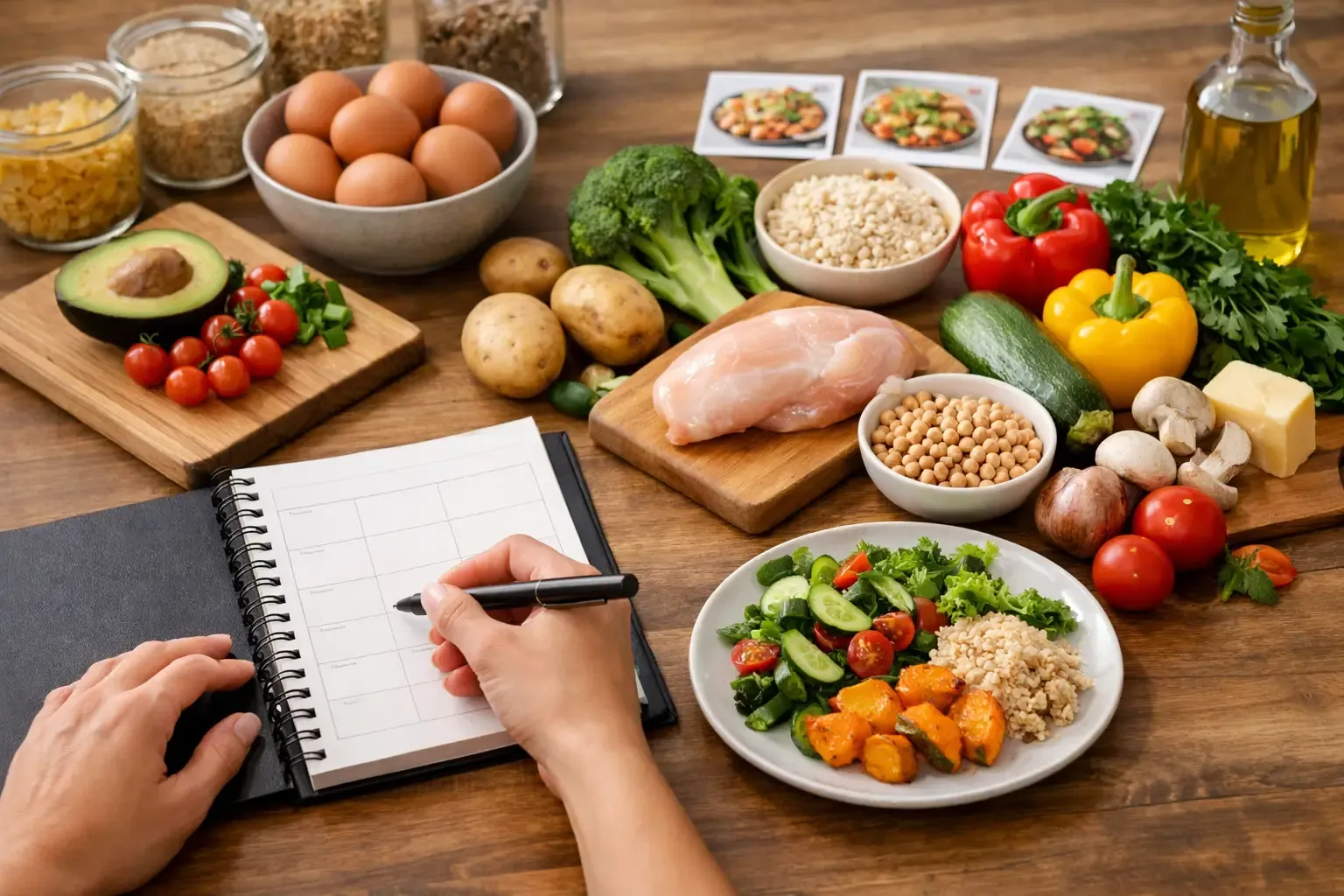
Start with one or two proteins, a few vegetables, a carbohydrate, and a flavor base. For example, if you have chicken thighs, black beans, bell peppers, onions, spinach, rice, tortillas, salsa, and shredded cheese, you do not need separate ingredient lists for every night. You have the foundation for rice bowls, tacos, a skillet, quesadillas, and a soup or grain bowl.
Think in meal formats rather than fixed recipes. A meal format gives you room to adapt when an ingredient runs short or your schedule changes. Common formats include:
- Sheet-pan dinner: protein, vegetables, oil, seasoning, and a starch on the side
- Grain bowl: rice or another grain, protein, vegetables, sauce, and something crunchy or fresh
- Pasta or noodle dish: noodles, vegetables, a protein or beans, and a sauce
- Tacos, wraps, or quesadillas: fillings, tortillas, and a simple topping
- Soup, fried rice, frittata, or hash: ideal for odds and ends
A format is more useful than a rigid recipe on a busy week because it works with substitutions. No bell pepper? Use broccoli. No chicken? Use beans, eggs, tofu, or frozen shrimp. The dish may change, but dinner still happens.
Give perishables a place on the calendar
Once you know what needs using, assign it to specific days. This is the step that turns good intentions into food that actually gets cooked.
Schedule fragile produce, leftover proteins, and opened packages early in the week. Put freezer meals, pantry dinners, and long-lasting vegetables later. If you bought berries, salad greens, fresh fish, or an avocado that is already ripe, they should not be waiting for Friday.
Leave at least one meal unassigned. A flexible night protects the plan when you get takeout, work late, or have more leftovers than expected. Trying to force seven fully scheduled dinners often creates the same waste you were trying to avoid.
It also helps to plan by effort level. Put a 15-minute meal on the night you have a workout or a late meeting. Save a chopping-heavy meal for a quieter evening, or prep its vegetables when you have time. Meal planning fails less often when it reflects your actual week instead of the week you wish you had.
Shop for gaps, not for a whole new menu
After building meals from what you have, make a short gap list. These are the ingredients that complete several meals or make the existing food more appealing: a lemon, a carton of eggs, tortillas, a bag of greens, plain yogurt, or a sauce.
Be careful with ingredients that serve one highly specific recipe. Buying miso, fresh dill, and specialty noodles for a single dinner can be worthwhile if you are excited to cook it. But if your goal is a lower-cost, lower-waste week, choose additions with more than one job.
A good grocery item should usually do at least two things. Greek yogurt can become breakfast, a taco topping, and a sauce base. Rotisserie chicken can cover sandwiches, bowls, and soup. A bag of spinach can go into eggs, pasta, and a grain bowl. This is not about eating the same meal repeatedly. It is about buying ingredients with range.
Before adding anything to the list, ask three quick questions: Do I already have a substitute? Will I use the full package? Does this solve more than one meal? Those questions catch a surprising amount of duplicate buying.
Use leftovers deliberately, not as an afterthought
Leftovers become waste when they are stored without a plan. Instead of treating them as a vague future lunch, decide what they become before you put them away.
Roasted vegetables can fill a wrap, top a salad, or go into eggs. Cooked rice can become fried rice. A small amount of chicken can stretch into a quesadilla with beans and cheese. Tomato sauce can start as pasta night and finish as shakshuka-style eggs or a quick soup base.
Portion leftovers into lunch-sized containers if lunches are realistic for you. If they are not, do not pretend they are. Turn them into a planned dinner component or freeze them promptly. A container of food that requires reheating, packing, and remembering during a hectic morning may not be a practical lunch, even if it looks good on paper.
Labeling helps when you freeze food, especially sauces, cooked grains, and soups. The point is not to create a perfect inventory system. It is to prevent the freezer from becoming a place where food disappears.
Keep one backup meal that uses shelf-stable food
Even a thoughtful plan can break. Produce may spoil early, plans may change, or you may simply not want the meal you scheduled. Keep a backup that requires little decision-making and mostly pantry or freezer ingredients.
Pasta with canned beans and tomato sauce, eggs with toast and frozen vegetables, or a freezer stir-fry with rice are all useful options. The best backup meal is one you genuinely enjoy and can make when your energy is low. It should not depend on a special trip to the store.
This backup is also what keeps you from ordering food just because the plan has one weak spot. Convenience matters, but so does having a convenient option at home.
Make the system easier to repeat
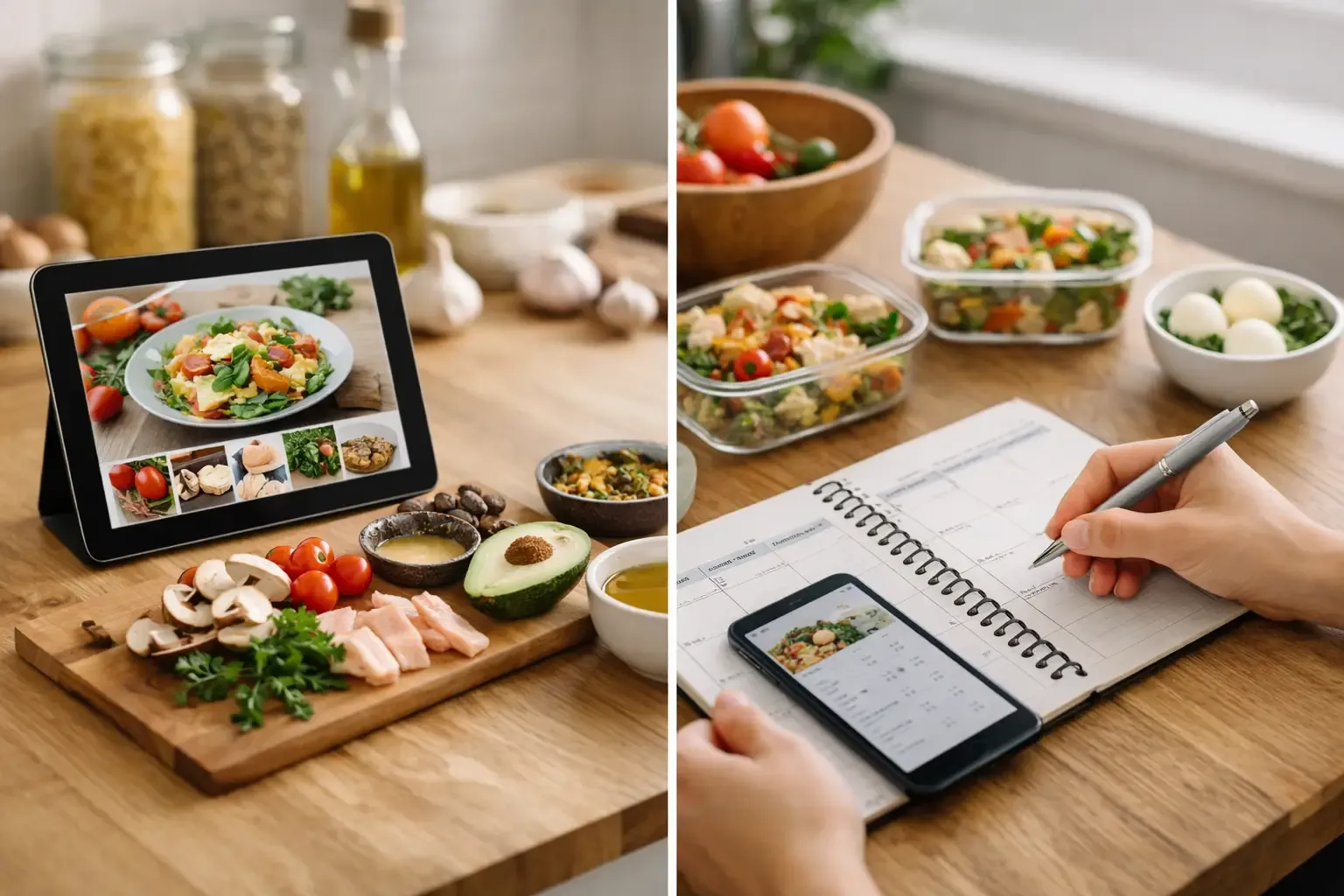
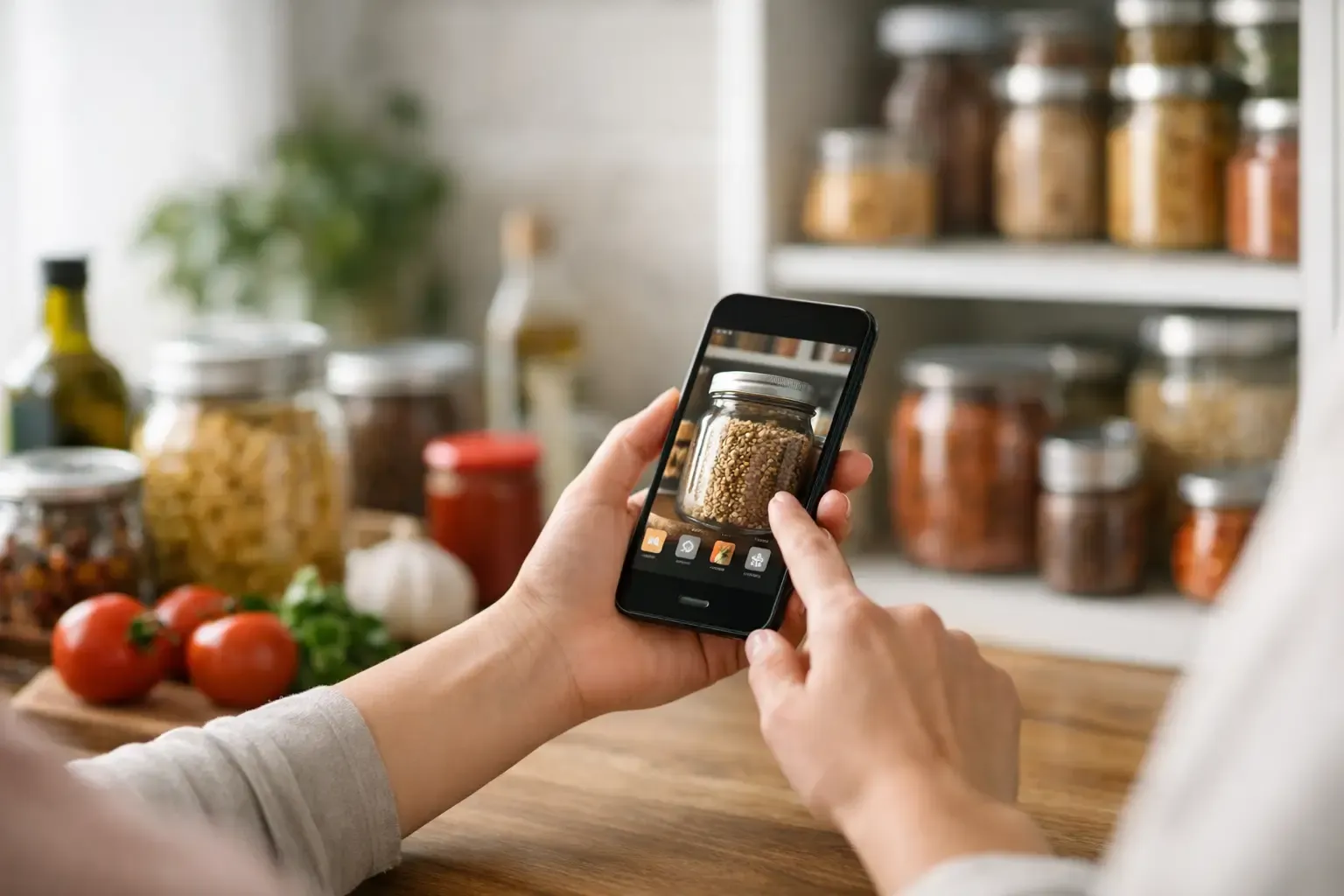
Planning from groceries works best when you can see what you own without checking three places. A pantry tracker, a weekly plan, and a shopping list should support the same decision: what to cook next and what, if anything, to buy.
Sously is built around that workflow. Its Smart Pantry helps keep fridge, freezer, and pantry items visible; its weekly planner turns those ingredients into meals; and its shopping list can account for what is already on hand. The goal is not more kitchen admin. It is fewer duplicate purchases and fewer nights spent staring into the refrigerator.
You do not need to track every ingredient forever. Start with the items that create the most waste or confusion in your home: proteins, produce, leftovers, and expensive staples. Add more detail only if it saves you time.
Let the plan change without starting over
A useful meal plan is a working plan, not a promise. If Tuesday's chicken bowls become Thursday's tacos, that is fine. Move the meals, check which ingredients need to be used first, and adjust the gap list before your next shop.
The real win is not cooking every meal exactly as planned. It is making your groceries easier to use. When dinner begins with what is already in your kitchen, the plan gets lighter, the shopping list gets shorter, and the food you buy has a better chance of becoming food you eat.
Cook from what you have.
Sously is the meal-planning kitchen co-pilot the blog is written from — free to start on iPhone and Android.
Get Sously