How to Track Freezer Meals Without the Chaos
Learn how to track freezer meals with simple labels, a running inventory, and meal planning that uses what you have before you buy more at the store.
That stack of foil pans and freezer bags is not a meal plan if you cannot tell what is inside, when you froze it, or whether anyone wants to eat it. Learning how to track freezer meals turns your freezer from a cold storage bin into a reliable part of dinner planning. The goal is not to catalog every ice cube. It is to know what is available, use meals before quality drops, and stop buying food you already made.
Start with a freezer reset
Do not try to build an accurate inventory around mystery containers. Take 20 minutes to pull out what is there and sort it into three groups: ready-to-heat meals, meal components, and food that needs a decision.
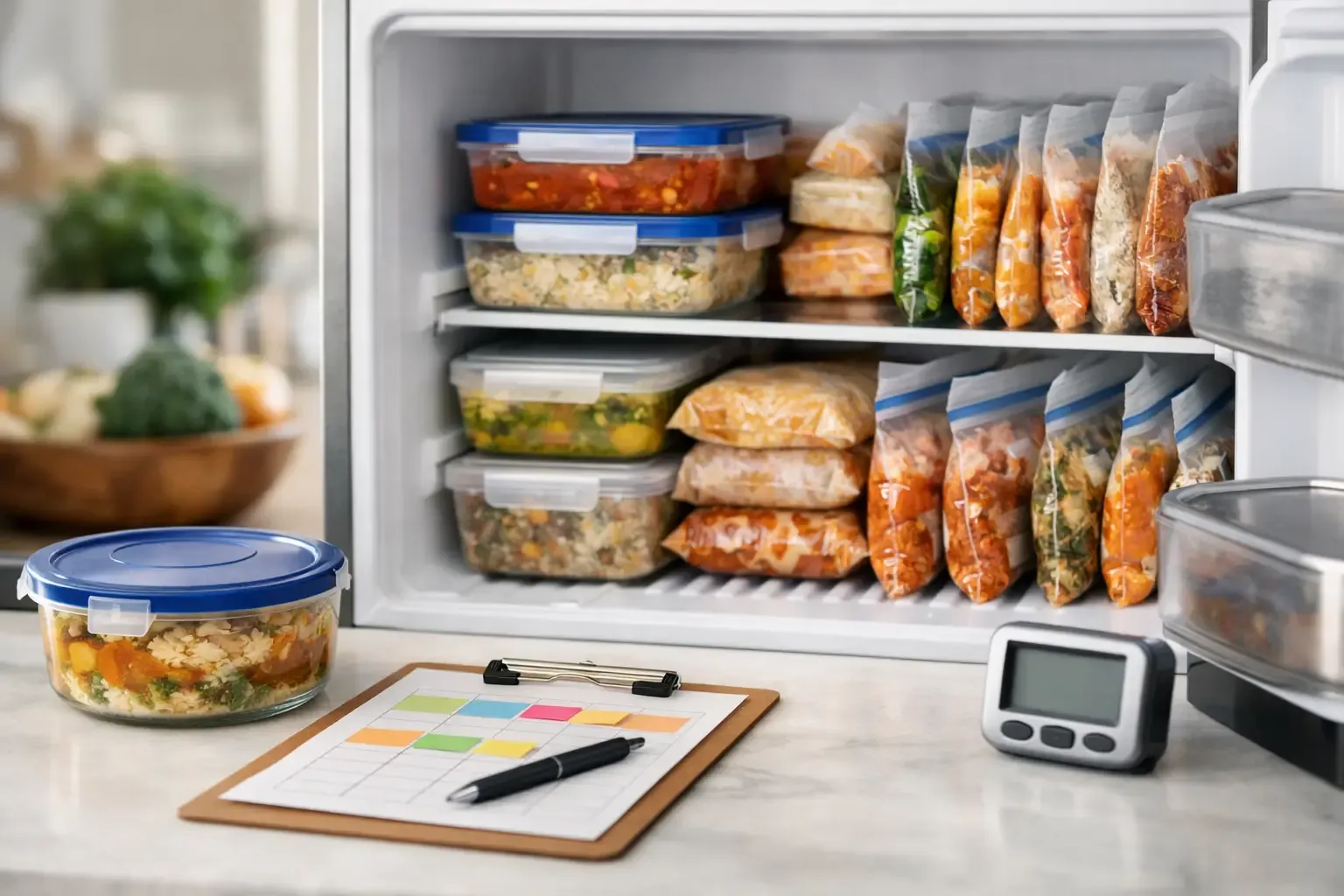
Ready-to-heat meals are your future low-effort dinners: chili, lasagna, breakfast burritos, soup, cooked casseroles, or portioned curry. Meal components include cooked rice, shredded chicken, taco meat, broth, dough, chopped vegetables, and sauce. They may not be dinner on their own, but they shorten cooking time considerably.
The third group is where waste hides. If a container has no label, looks heavily freezer-burned, or has been sitting there so long that you cannot identify it, decide now whether to use it soon or toss it. Keeping it because you might figure it out later is how a freezer becomes permanently full without being useful.
As you sort, check package condition. Freezer burn is usually a quality issue rather than an automatic safety issue, but it can leave food dry and unpleasant. Meals with loose lids, damaged bags, or large ice crystals should move to the front of your plan. A freezer inventory works best when it reflects food you will realistically cook.
How to track freezer meals with one useful label
Every freezer meal needs a label before it goes in. The label should answer the questions you will have on a tired Wednesday night: What is this? How much is there? When did I freeze it? What do I need to do next?
Write the meal name, date frozen, number of servings, and a short reheating note. For example: “Turkey chili | 4 servings | 3/12 | Thaw overnight or heat from frozen with 1/2 cup water.” That is enough information to make the meal usable.
Add optional details only when they affect the decision. Mark dishes as spicy, vegetarian, dairy-free, or kid-friendly if that helps your household choose. Note missing sides when a meal is not complete, such as “serve with rice” or “needs tortillas.” This prevents the frustrating moment when you thaw enchilada filling and realize there are no tortillas in the house.
Use freezer-safe labels and a permanent marker. Masking tape can work for short-term storage, but it often loosens in a cold, damp freezer. If you use reusable containers, removable freezer labels or dry-erase labels made for food containers reduce waste and keep the system simple.
Keep the inventory lighter than the freezer
A full inventory does not need to record every bag of frozen peas. Track the meals and components that change what you cook or what you buy. If you have five portions of soup, a tray of baked ziti, two bags of pulled pork, and cooked quinoa, those are useful planning signals. A half-used bag of corn is usually not worth a separate maintenance task unless you rely on it often.
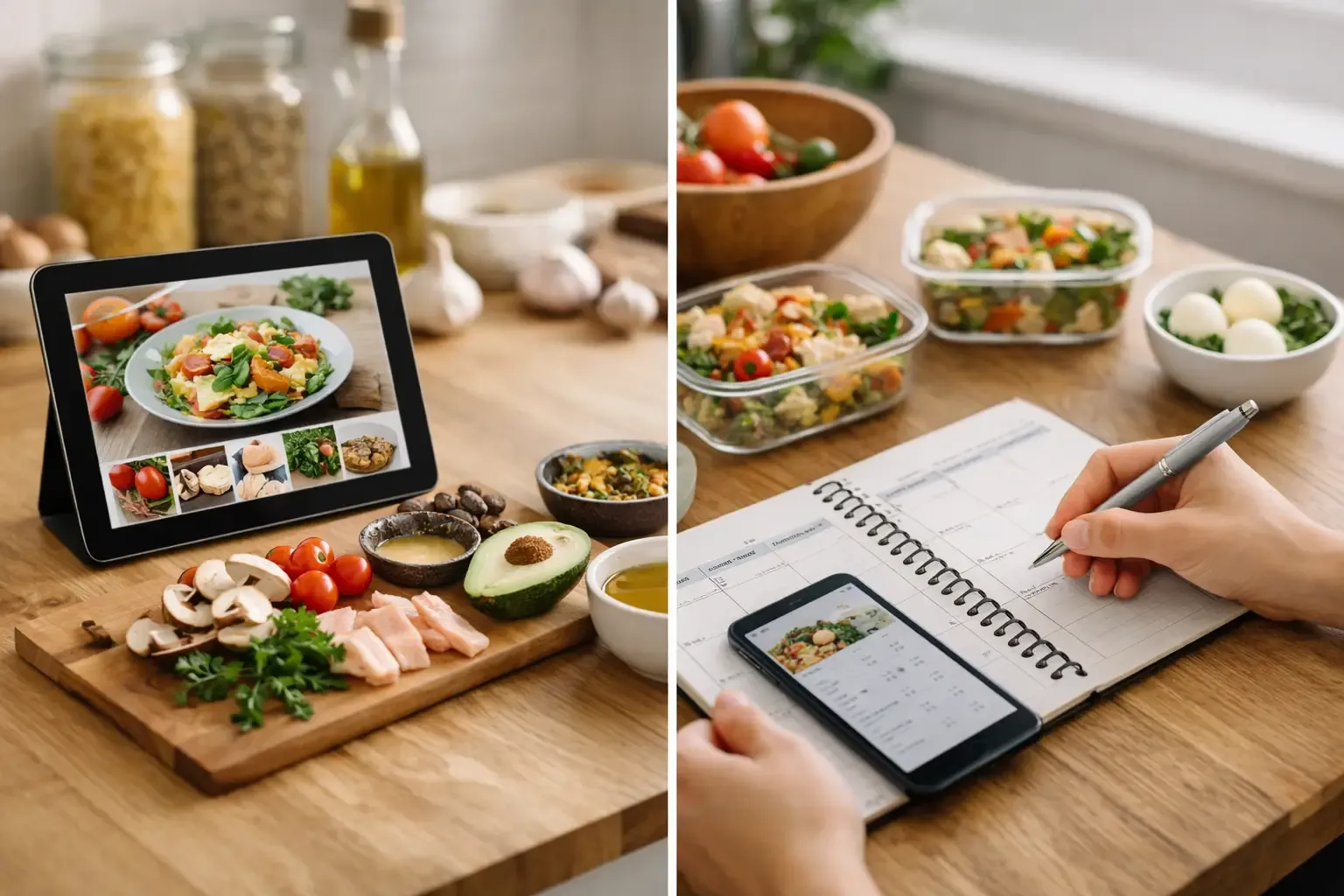
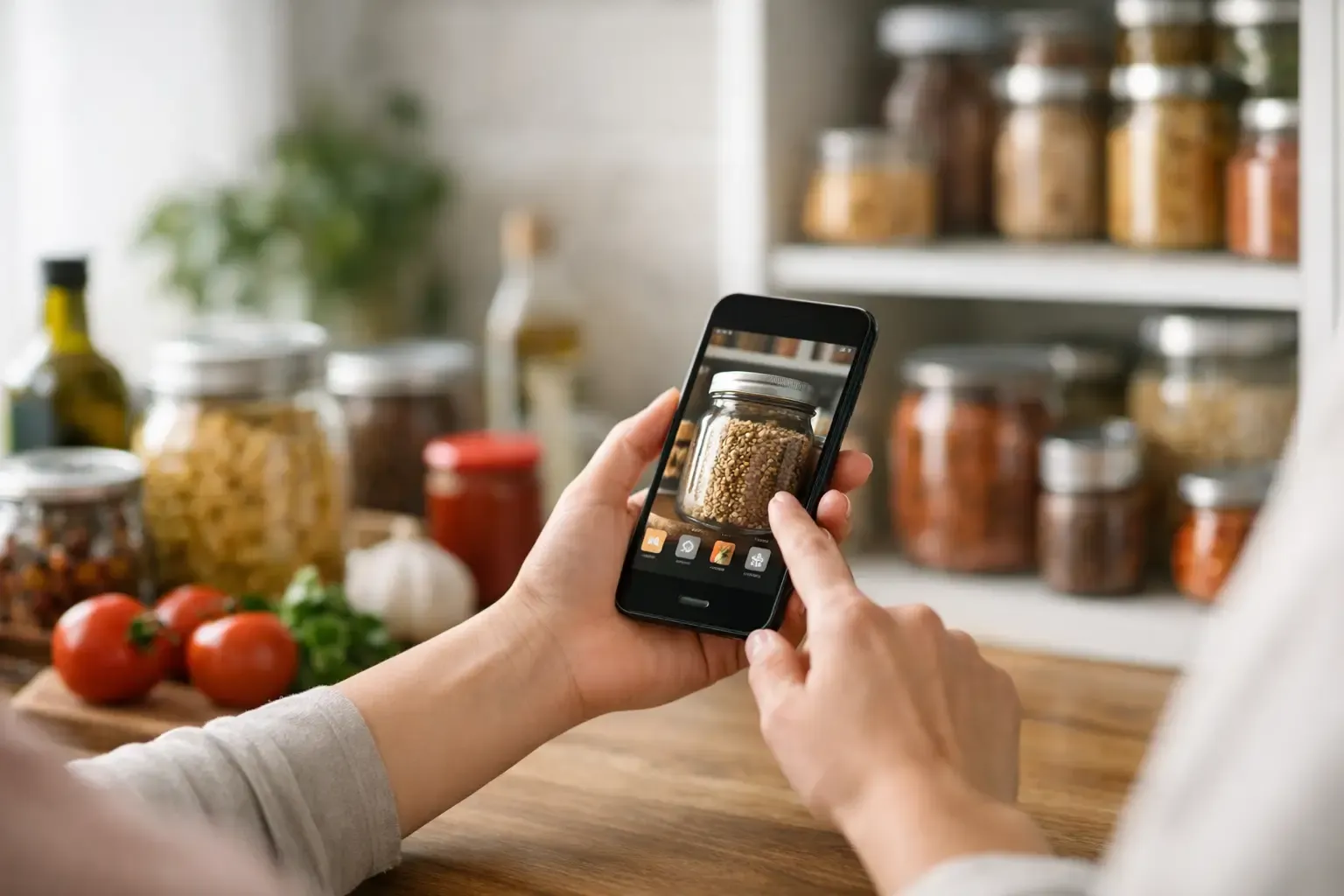
Your inventory can be a note on your phone, a paper list on the freezer door, or a pantry app. The right system is the one you will update in under a minute. If tracking requires a spreadsheet, color codes, and a weekly audit, it may look organized while quietly becoming another chore.
For most small households, list each meal with the number of portions rather than the number of containers. “Chicken noodle soup - 3 servings” tells you more than “one container,” especially if containers vary in size. For meal components, use a practical amount: “Cooked chicken - about 2 cups” or “Pizza dough - 2 balls.”
If your freezer contains many batch-cooked items, add a simple location marker such as top drawer, door, or bottom bin. This is not necessary in every kitchen, but it can save time when the freezer is packed. The inventory should help you find food, not send you digging through frozen spinach and ice packs.
Use a first-in, first-out routine
The easiest way to protect freezer meals from being forgotten is to put newer food behind older food. When you add a fresh batch of soup or breakfast sandwiches, move the older version forward. This first-in, first-out approach is more useful than treating every date as a strict expiration deadline.
For best quality, most cooked freezer meals are easiest to enjoy within about two to three months. Some foods hold up longer, but texture matters. Creamy sauces can separate, potatoes can become grainy, and pasta may soften after reheating. Labeling lets you choose the oldest suitable meal first without guessing.
Set a recurring freezer check before grocery shopping, not after. Five minutes is enough. Look for meals that should be scheduled this week, update servings after you use something, and make a quick note of freezer staples that need replacing. This timing matters because it turns the inventory into fewer purchases, not just better record-keeping.
Plan freezer meals into the week on purpose
Freezer meals work best when they have a job. Instead of waiting for a chaotic night, place one or two into your weekly plan before you shop. Use them for late-work evenings, the night before a trip, or a week when you expect to have limited cooking bandwidth.
Balance convenience with variety. A freezer full of complete meals can cover dinner, but it may leave you short on fresh produce or easy sides. Pair chili with a bagged salad, soup with bread and fruit, or cooked chicken with fresh vegetables and rice. Your plan can use frozen food without making every dinner feel like a repeat.
Meal components are especially useful when you want flexibility. Frozen cooked rice and taco meat can become bowls, tacos, stuffed peppers, or a quick skillet meal. Track those ingredients so they appear in your plan before you buy more proteins or spend money on takeout.
Sously can keep freezer meals alongside fridge and pantry items, then factor what you already have into meal planning and shopping. The practical benefit is simple: when a freezer meal is planned, its ingredients do not end up on your grocery list again.
Make updates part of the cooking action
The point where most tracking systems fail is not setup. It is the update after food is used. Make the update happen while you are already handling the container: take out a meal, reduce the serving count or remove it from the inventory. Freeze leftovers, add the label and inventory entry before closing the freezer.
Avoid promising yourself you will update everything later. Later usually means after dinner, when the kitchen is cleaned, everyone is tired, and the inventory is no longer top of mind. A 10-second update keeps the system accurate enough to trust.
You also do not need perfect counts. If your list says two servings of curry and it turns out to be closer to one and a half, adjust it when you learn that. Household food tracking is a decision tool, not an accounting exercise.
When a detailed freezer inventory is worth it
A more detailed system can help if you batch cook heavily, share food responsibilities with a partner or roommate, maintain dietary restrictions, or have a chest freezer. In those cases, recording portions, location, and planned use dates can prevent duplicate cooking and forgotten food.
For a small freezer and a small household, simpler is usually better. Track prepared meals, proteins, and high-value components. Keep staple vegetables and frozen fruit visible in the freezer itself. The best inventory is not the most complete one. It is the one that helps you answer dinner’s only useful question: what can we eat tonight without another grocery run?
Give your freezer a short check before your next shopping trip. Label what is unclear, put one older meal on the plan, and let that meal earn its space.
Cook from what you have.
Sously is the meal-planning kitchen co-pilot the blog is written from — free to start on iPhone and Android.
Get Sously