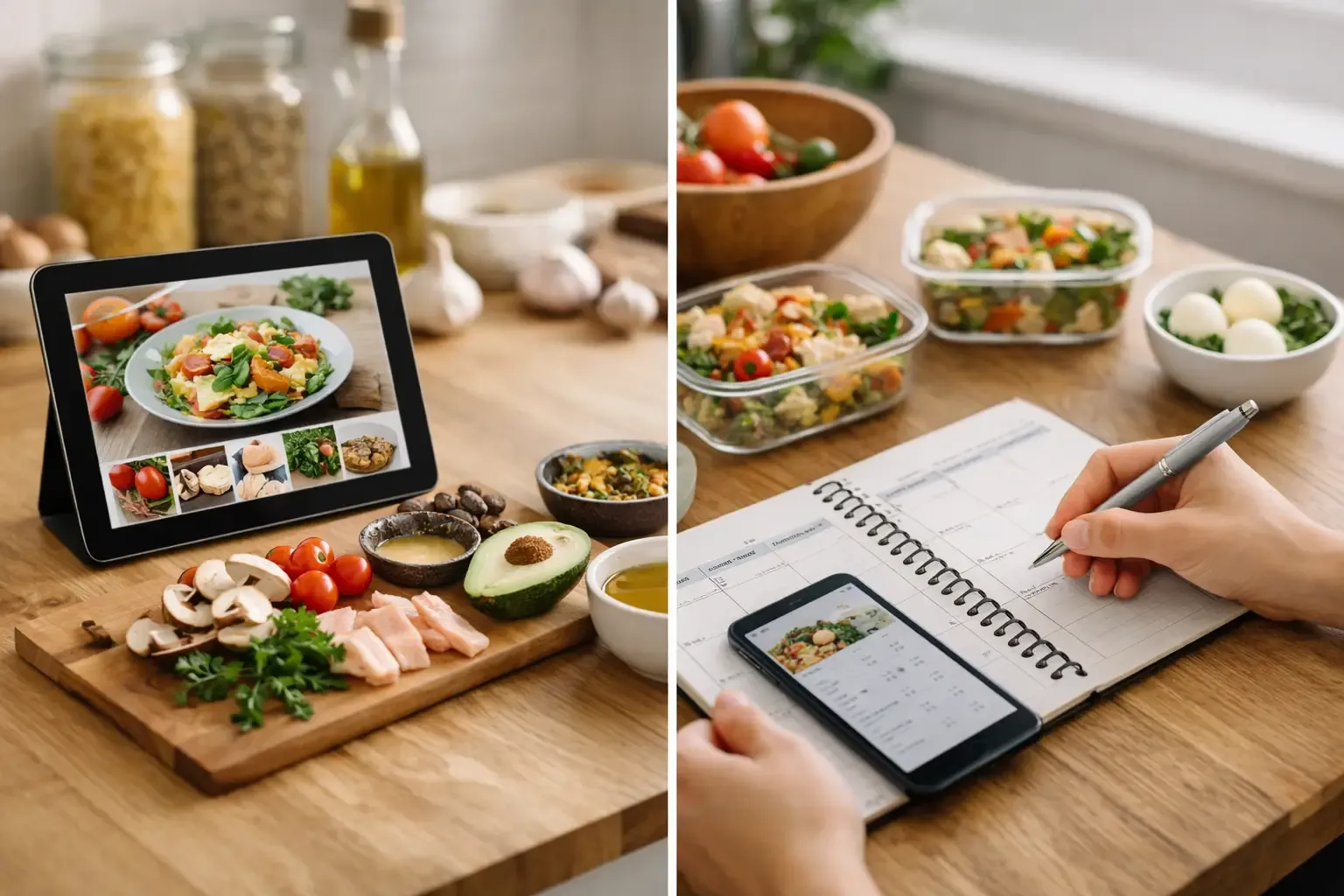
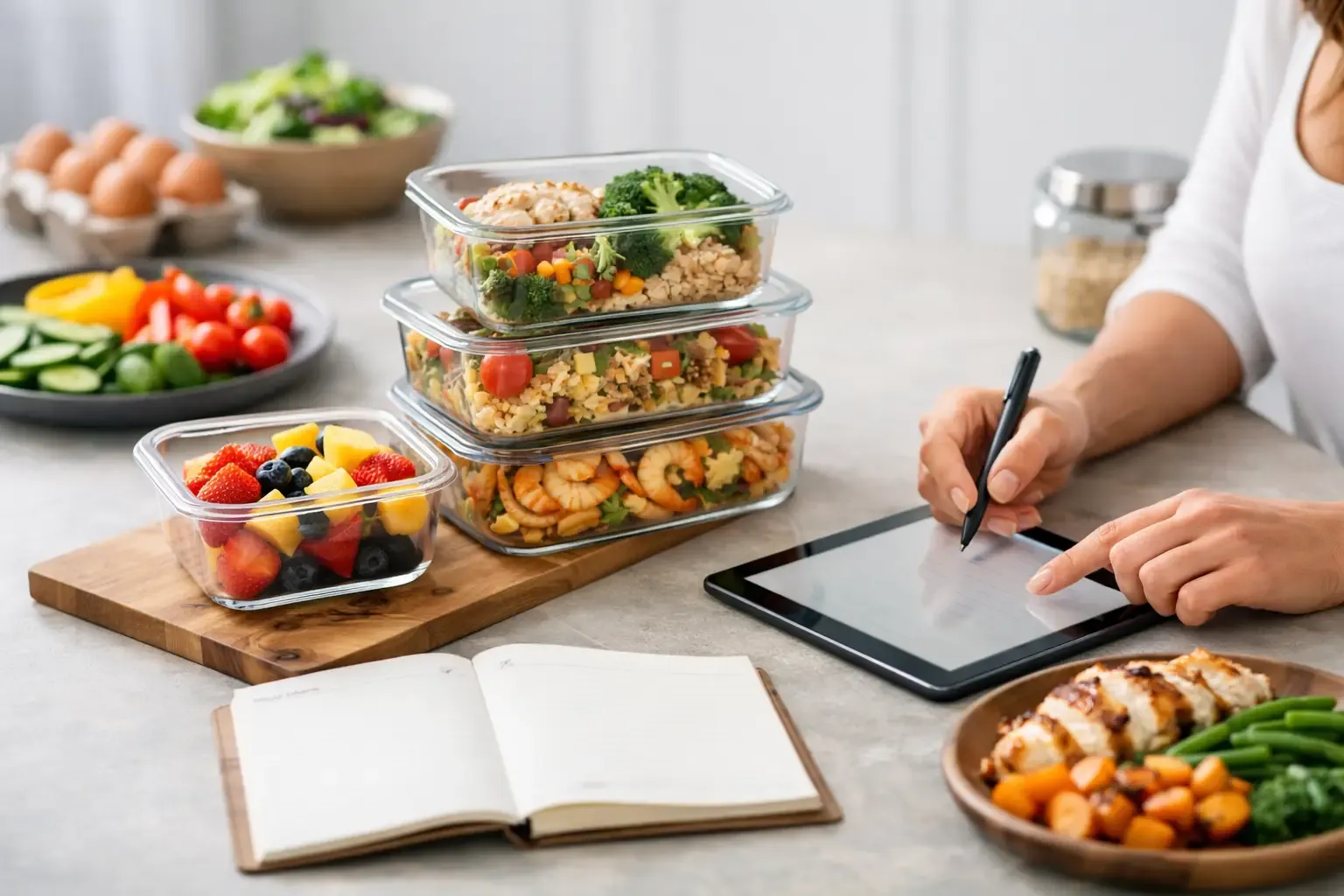
Meal Planning That Actually Saves Time
Meal planning works best when it starts with what you already have, cuts food waste, and turns shopping and cooking into one simpler system.
Most meal planning fails on Wednesday.
That is usually when the original plan runs into real life: a late meeting, a half-used carton of spinach, chicken that should be cooked tonight, and no clear answer to what dinner is. The problem is rarely motivation. It is that most meal planning systems are built backward. They start with ideal recipes, then force your kitchen and schedule to catch up.
A better approach starts with inventory, not inspiration. If you know what is in your fridge, freezer, and pantry, meal planning becomes less about building a perfect week and more about making good decisions with the food you already own. That shift saves money, reduces waste, and cuts the daily friction that makes cooking feel harder than it is.
Why most meal planning systems break down
A lot of advice treats meal planning like a content project. Pick seven recipes, write a grocery list, and stick to the script. That sounds organized, but for most households it creates extra work. It assumes you want to cook every planned meal exactly as written, that your ingredients are fully stocked, and that nothing changes between Sunday and Thursday.
That is not how people actually cook.
Real kitchens are full of partial quantities, leftovers, duplicate ingredients, and timing issues. You may already have rice, onions, black beans, frozen shrimp, and a nearly expired bell pepper, but a traditional plan ignores that context and sends you to the store for a new set of recipes anyway. The result is familiar: overbuying, forgotten produce, and a fridge full of ingredients that almost worked.
The fix is not more discipline. It is a better input. Meal planning gets easier when your plan is connected to what is already on hand.
Start meal planning with your kitchen, not the internet
Before deciding what to cook, check three zones: fridge, freezer, and pantry. The goal is not a perfect audit. You just need enough visibility to answer three questions: what needs to be used soon, what proteins and staples you already have, and where the gaps are.
That one step changes everything. Instead of searching for random dinner ideas, you can build meals around constraints that are actually useful. If you have ground turkey, tortillas, lettuce, and salsa, tacos are not a brainstorm. They are the obvious move. If you have pasta, canned tomatoes, garlic, and a bag of spinach, dinner is already halfway solved.
This is also where many people lose time because their tools are split across notes apps, grocery apps, recipe tabs, and memory. A connected system works better because pantry visibility, planning, and shopping affect each other. If one part is missing, the whole workflow gets messier.
The simplest weekly framework that holds up
A strong meal plan does not need seven detailed dinners. For most people, that level of precision becomes brittle fast. What works better is a lighter structure with built-in flexibility.
Pick four anchor dinners for the week. These are meals with clear ingredients and a place on specific nights. Then add two flexible meals that can absorb leftovers, expiring produce, or a schedule change. Think fried rice, grain bowls, quesadillas, pasta, or soup. Leave one night open for leftovers, takeout, or a reset.
This approach gives you enough structure to shop correctly without pretending the week will go exactly as planned. It also helps small households avoid the common trap of cooking too many distinct meals and watching half of them linger in containers until they are no longer appealing.
If your schedule is unpredictable, anchor your plan by ingredient instead of recipe. For example, roast chicken on day one can become wraps on day two and soup on day three. Cooked rice can support bowls, stir-fry, or burritos. That kind of planning reduces waste because it creates intentional overlap.
Build around ingredients that do more than one job
The fastest way to make meal planning sustainable is to stop treating each dinner like a separate event.
When ingredients can flex across multiple meals, shopping gets tighter and cooking gets easier. A bunch of cilantro can go into tacos, grain bowls, and soup. Greek yogurt can work for breakfast, sauce, and marinade. Spinach can be added to eggs, pasta, and a quick curry. The point is not culinary creativity for its own sake. It is reducing the number of one-purpose purchases that quietly inflate your grocery bill and die in the crisper drawer.
There is a trade-off here. Some people get bored if the same ingredients show up too often. The answer is not to abandon overlap. It is to vary format and seasoning. Chicken can become tacos, salad, or rice bowls without feeling repetitive. Beans can be chili one night and quesadillas the next. Same core ingredients, different result.
Shopping should come after the plan, not before it
A lot of grocery waste starts with vague shopping. People buy for possibility instead of a plan, then improvise badly or not at all.
A better shopping list has one job: fill the exact gaps between your planned meals and your current inventory. If you already have soy sauce, pasta, shredded cheese, and frozen broccoli, those items should not end up on your list again because a recipe assumes a blank kitchen. This sounds obvious, but it is one of the biggest failures in manual meal planning.
Automated list-building is useful here only if it respects what is already in your kitchen. Otherwise, it just generates a cleaner version of the same overbuying problem. The best systems subtract on-hand ingredients, group items clearly, and let you adjust fast when a meal changes.
This is also where pantry accuracy matters. If your inventory is wrong, your shopping list will be wrong. It does not need to be obsessive, but it does need to be current enough to trust.
Recipes matter less than decision speed
Most people do not need more recipes. They need a faster way to answer, what can I make with what I have?
That is a different problem.
Traditional recipe sites are built for browsing. Useful meal planning is built for execution. If you are standing in your kitchen at 6:20 with mushrooms, eggs, tortillas, and half an avocado, a long personal essay and a 28-ingredient recipe are not helpful. You need a practical path from ingredients to dinner, plus substitutions if one key item is missing.
That is why concrete substitution guidance matters. Not just "swap if needed," but real ratios and what the change does to the dish. Can you replace sour cream with Greek yogurt? Usually yes. Can you use dried herbs instead of fresh? Also yes, but the amount changes. Good meal planning tools make those choices easier instead of forcing another search.
Nutrition is more useful when it is specific
For many households, meal planning is not just about convenience. It is also about eating with a little more intention.
That does not mean every dinner needs to hit a perfect macro target. It means having enough nutrition clarity to make decisions you can repeat. If a meal is low on protein, you should be able to see that quickly. If sodium matters to you, that information should not be buried or guessed. Specific ingredient data is more useful than vague healthy-eating labels.
This is another reason the plan should be tied to real ingredients instead of just saved recipes. Once meals connect to actual items in your kitchen, nutrition becomes more grounded and easier to adjust.
What good meal planning looks like in practice
A practical meal planning workflow should take minutes, not become a weekend admin project.
Check what you already have. Identify two ingredients that need to be used soon. Choose four anchor dinners and two flexible options. Reuse a few ingredients on purpose. Generate a shopping list that only covers the missing pieces. Then cook from the plan, adjusting as needed when the week changes.
That is the whole system.
If you want that process to hold up consistently, it helps to use a tool designed for the full workflow instead of separate apps for recipes, notes, shopping, and pantry tracking. Sously is built around that exact use case: plan the week, cook what you have, and shop only what you need. The point is not more content. It is less kitchen friction.
Meal planning works when it respects the way people actually cook - imperfectly, midweek, with partial ingredients and limited time. The best plan is not the most ambitious one. It is the one that helps you turn what is already in your kitchen into dinner with less waste and fewer decisions.
Cook from what you have.
Sously is the meal-planning kitchen co-pilot the blog is written from — free to start on iPhone and Android.
Get Sously