Meal Planning With Pantry Ingredients That Works
Meal planning with pantry ingredients helps you cook what you own, waste less food, and build a smarter grocery list for the week ahead at home today.
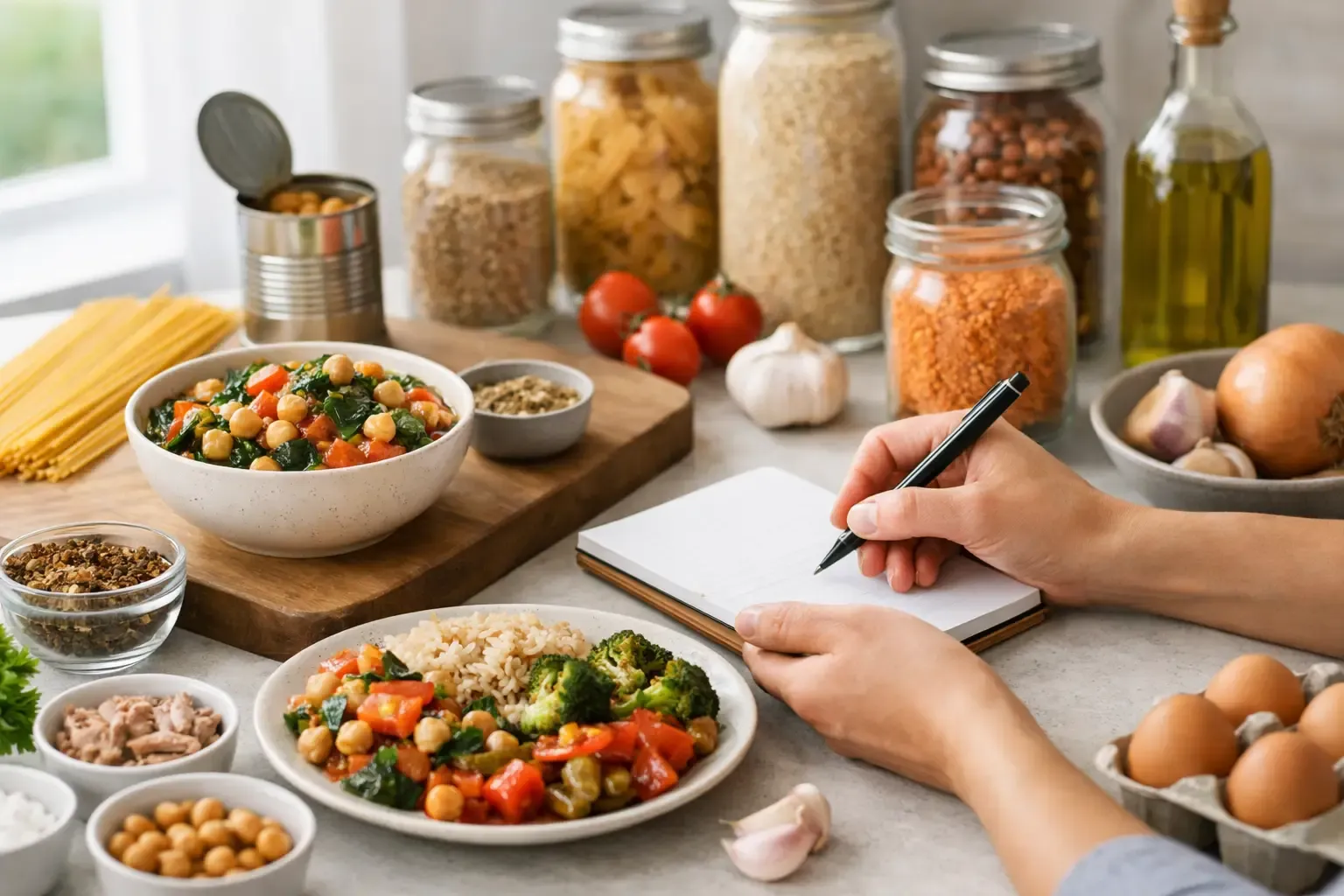
A can of chickpeas, half a bag of rice, frozen spinach, and a jar of salsa can look like a collection of almost-meals. That is exactly where meal planning with pantry ingredients starts. The goal is not to force every dinner from shelf-stable food. It is to see what is already usable, choose meals that use it well, and buy only the few items that make the plan work.
This approach cuts the usual weeknight friction: opening the fridge with no idea what to make, buying a second jar of something you already own, and throwing out produce that never made it into a meal. A useful plan begins with visibility, not a long list of recipes.
Start With What Needs Attention
Not every ingredient deserves equal priority. Before choosing meals, look for items with a short runway: produce in the crisper, opened dairy, leftover proteins, cooked grains, and anything nearing its best-by date. These should shape the first few meals of the week.
Next, scan your pantry and freezer for supporting ingredients. Dry pasta, canned beans, broth, tortillas, oats, tomatoes, spices, frozen vegetables, and proteins are not necessarily the center of dinner. They are the structure that makes a perishable ingredient easier to use.
For example, a bag of wilting spinach does not need a special spinach recipe. It can become part of pasta with white beans, egg fried rice, quesadillas, soup, or a grain bowl. Planning gets simpler when you think in meal formats rather than hunting for one exact dish.
A quick kitchen inventory is enough. You do not need to catalog every grain of rice before you can plan. Start with the ingredients you are likely to use this week, then improve accuracy over time.
Build Meals Around Flexible Formats
The most reliable pantry-based plans use repeatable meal formats. They accept substitutions and let one grocery item work across multiple dinners. This is more practical than selecting seven unrelated recipes that each require a different specialty ingredient.
A few flexible formats cover most weeknight needs:
- Grain bowls pair rice, quinoa, or couscous with beans, roasted vegetables, eggs, chicken, tofu, or a sauce.
- Pasta meals use noodles, canned tomatoes, beans, tuna, frozen vegetables, greens, or cheese.
- Tacos, wraps, and quesadillas turn beans, leftovers, shredded meat, vegetables, and salsa into fast dinners.
- Soups and stews use broth, canned tomatoes, beans, lentils, frozen vegetables, and grains.
- Sheet-pan meals combine a protein, sturdy vegetables, and a simple seasoning or sauce.
The format matters because it gives you room to adapt. If a plan calls for black beans but you have chickpeas, the meal can still work. If you are out of rice, potatoes or pasta may fill the same role. The best dinner plan is not the most precise one. It is the one that survives a busy Tuesday.
Plan Ingredient Overlap on Purpose
Choose three or four dinners, then identify the ingredients they can share. If you buy cilantro for tacos, use the rest in a rice bowl or soup. If you open a carton of broth, plan another soup, a braised grain, or a quick pan sauce within a few days.
This is where meal planning with pantry ingredients earns its value. The grocery list gets shorter because each purchase has more than one job. Food waste drops because open ingredients have a scheduled use.
There is a trade-off. Too much overlap can make the week feel repetitive, especially in a small household. Keep the base ingredients consistent, then change the flavor direction. The same chickpeas can become lemony pasta one night and smoky taco filling another.
Make a Plan for Your Actual Week
A useful meal plan accounts for time and energy, not just ingredients. Put your fastest meal on the busiest night. Schedule the recipe that needs chopping or longer cooking time for a calmer evening. Leave at least one night open for leftovers, takeout, or a meal that moves to the next day.
For a typical week, that may mean planning four dinners rather than seven. One can be a 15-minute pantry meal, two can use fresh ingredients early in the week, and one can rely on freezer staples for the night plans change. Lunches may come from leftovers, sandwiches, or a batch of grains and proteins prepared once.
Do not pretend every ingredient will be used immediately. Pantry food is valuable because it waits. Fresh herbs, avocados, berries, and opened dairy are less forgiving. Use those first, and let canned goods and dry staples carry the later meals.
Turn the Plan Into a Short Shopping List
Once you have meals, write down only the missing pieces. This sounds obvious, but it is where many plans break down. A recipe may call for ten ingredients, while your kitchen already holds seven of them. Buying all ten again is how duplicate spices, extra cans, and forgotten produce accumulate.
Check quantities, not just whether an item exists. A nearly empty bottle of soy sauce is different from having enough for two dinners. The same goes for olive oil, tortillas, rice, eggs, and cheese. When you know what is on hand, your shopping list becomes a gap list instead of a recipe transcription exercise.
Group missing items by how they will be used. If one lime supports tacos and grain bowls, buy it. If a single recipe needs an expensive condiment you are unlikely to use again, consider a substitution. Vinegar, citrus, mustard, hot sauce, yogurt, and common spices often handle the same job with a slightly different result.
Substitutions should be practical, not magical. Greek yogurt can replace sour cream in many cold toppings, but it adds tang. Canned beans can replace cooked beans in soups and bowls, but they may need a rinse and less added salt. Dried herbs work when fresh herbs are unavailable, though the flavor will be softer. Knowing the impact helps you decide whether a swap is worth making.
Keep Your Pantry Information Useful
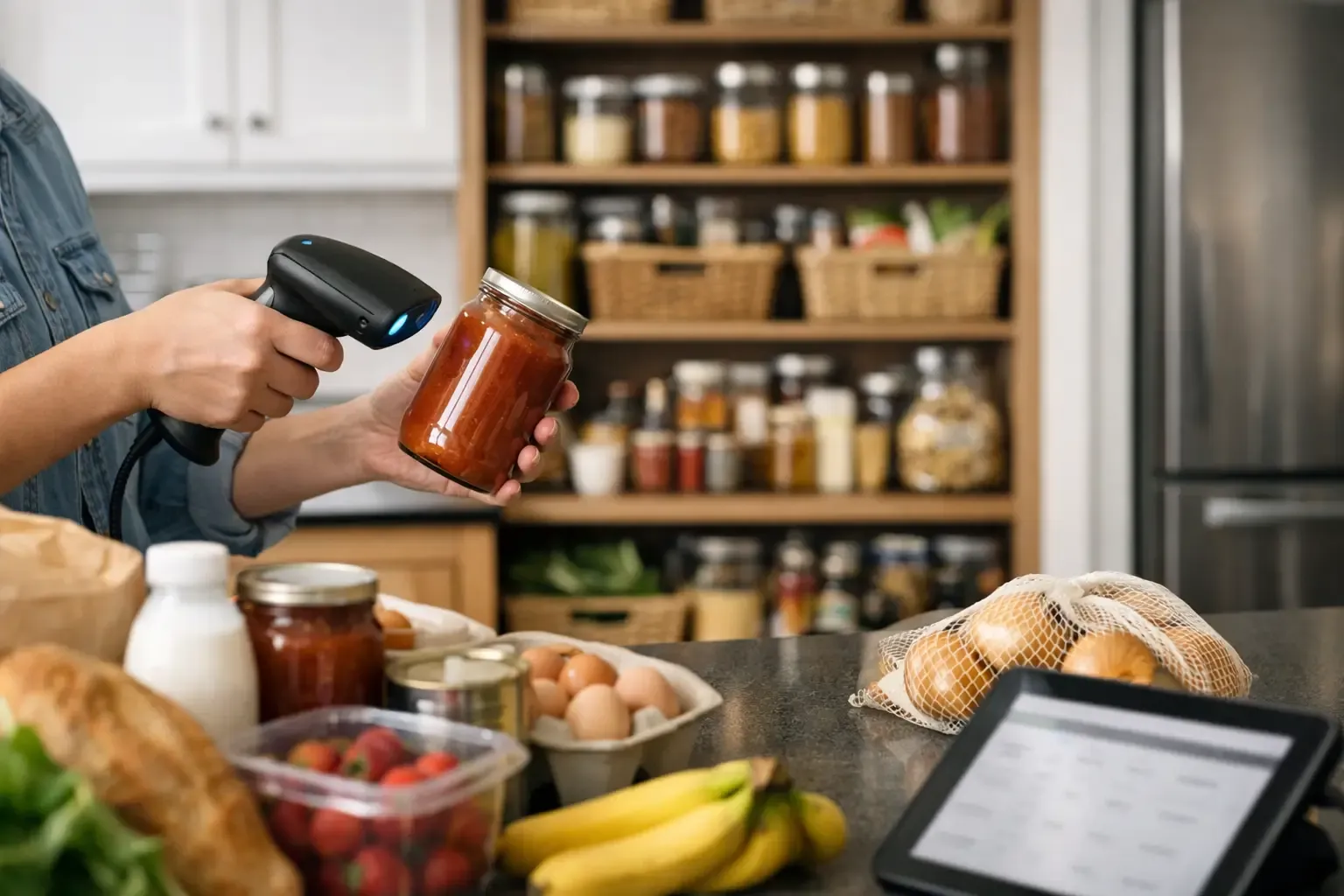
A pantry inventory only helps if it stays easier than guessing. Avoid building a system that requires a full audit every Sunday. Add items when you unpack groceries, subtract them when you use the last of something, and do a quick reset before planning the week.
For households that want less manual work, a connected kitchen app can keep the plan, pantry, recipes, and shopping list in the same place. Sously is built around that workflow: see what you have, choose meals around it, and let the shopping list account for what is already in the kitchen. Its value is not more recipe content. It is fewer disconnected steps.
Whether you use an app, a note on your phone, or a paper list, track the items that regularly cause waste or duplicate purchases. Start with proteins, produce, freezer meals, grains, sauces, and canned goods. You can ignore low-stakes items such as salt until they actually affect a meal.
A Simple Pantry-First Week
Imagine you have pasta, rice, canned chickpeas, diced tomatoes, tortillas, frozen broccoli, eggs, onions, and a few sauces. You also have spinach that should be used soon and leftover rotisserie chicken.
Your plan could be chicken and spinach quesadillas early in the week, tomato-chickpea pasta the next night, fried rice with eggs and frozen broccoli on a busy evening, and a flexible leftover bowl to finish the remaining chicken, rice, and vegetables. The grocery list may only need cheese, a fresh vegetable, and fruit for snacks.
That plan is not complicated, and it does not need to be. It uses the ingredients with the shortest shelf life first, gives pantry staples a clear role, and leaves room for reality. If the pasta night becomes a leftovers night, the tomatoes and chickpeas will still be there tomorrow.
The habit gets easier once you stop treating the pantry as backup storage. It is part of the plan. Before your next grocery trip, pick one ingredient that has been sitting too long and give it a job on the calendar. That small decision is often enough to make dinner feel manageable again.
Cook from what you have.
Sously is the meal-planning kitchen co-pilot the blog is written from — free to start on iPhone and Android.
Get Sously