How to Reduce Food Waste Cooking at Home
Learn how to reduce food waste cooking with a practical system for planning meals, using what you own, and buying only what you need each week without extra trips
The bag of spinach that turns slimy on Thursday is rarely a spinach problem. It is a visibility problem. You bought it without a plan, forgot it was there, and ordered takeout when dinner decisions got annoying. Learning how to reduce food waste cooking starts by making the food already in your kitchen the default place to begin.
This does not require perfect meal prep, a color-coded fridge, or eating the same leftovers for four days. It requires a simple operating system: know what you have, give the most perishable items a job, and buy groceries to fill real gaps instead of vague intentions.
How to reduce food waste cooking before you shop
The grocery store is where most food waste gets scheduled. A few optimistic purchases can create a refrigerator full of ingredients that do not add up to actual meals. Before you add anything to a cart, take two minutes to check your fridge, freezer, and pantry.
Start with the ingredients that have the shortest runway: produce, opened dairy, fresh herbs, deli items, and cooked leftovers. Then ask one useful question: What can these become in the next three days? You do not need a full seven-day menu to answer it. Two or three planned meals are enough to protect the food most likely to be wasted.
Build your shopping list from those meals. If you have half a bag of rice, frozen chicken, and carrots, buy the sauce, aromatics, or vegetable that turns those items into dinner. Do not buy another bag of rice because it is on sale. A deal is only a deal if you will use it.
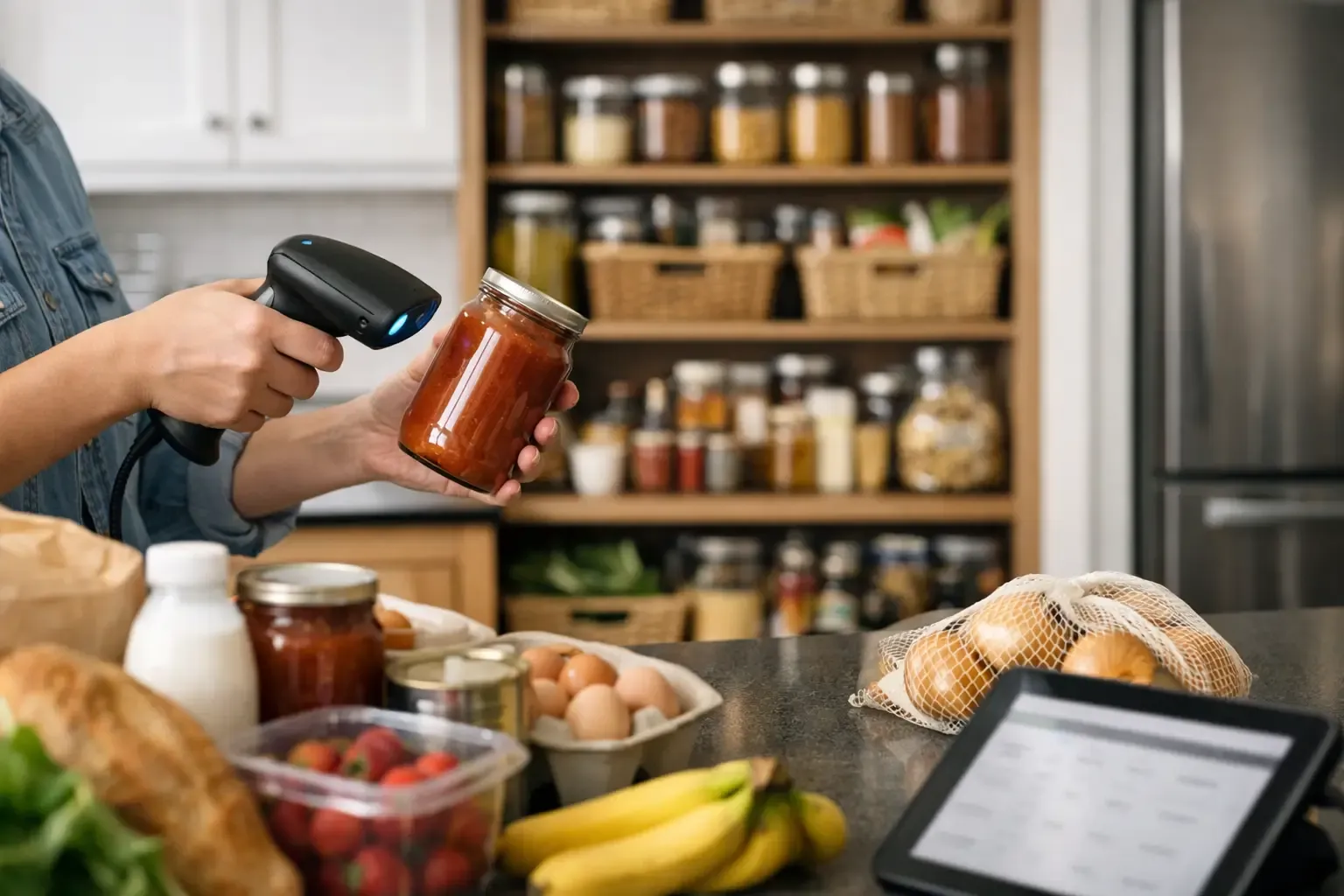
This is where a pantry tracker earns its keep. Sously, for example, can keep fridge, freezer, and pantry items visible while its shopping list subtracts ingredients already on hand. The point is not to log every grain of salt. Track the items you forget, overbuy, or regularly let expire.
Plan for ingredients, not just recipes
Recipes are useful, but treating every dinner as a separate project creates leftovers with no destination. A more efficient approach is to plan around overlapping ingredients.
Buy one bunch of cilantro only when it has at least two jobs. Use it in tacos on Monday, then stir it into rice, soup, eggs, or a yogurt sauce later in the week. Roast extra vegetables for a grain bowl tonight and a frittata tomorrow. Cook chicken once, then use it in sandwiches, salads, or noodle bowls.
This does not mean every meal has to taste the same. Change the format, seasoning, or sauce. Roasted broccoli can be part of a sheet-pan dinner, blended into soup, folded into pasta, or added to fried rice. The ingredient stays useful because the meal changes.
Use a short planning window
For most small households, planning three to five dinners works better than assigning food to every night of the week. Plans change. Work runs late, friends invite you out, or one meal makes more leftovers than expected.
Leave one or two nights open for leftovers, freezer meals, or a pantry dinner. That flexibility prevents the common cycle of buying for seven meals and cooking four. If your schedule is unpredictable, choose meals that can move easily: tacos, pasta, grain bowls, soups, and sheet-pan meals are more forgiving than a recipe that depends on delicate produce being perfect on a specific night.
Put the food with a deadline where you can see it
Food hidden behind condiments is food you are unlikely to cook. Create one visible section of the refrigerator for “use next” items. Put opened packages, ripe produce, and leftovers there first. When you open the fridge at 6 p.m., the answer should be obvious before you start searching.
Use first-in, first-out for groceries. New yogurt goes behind the older yogurt. The fresh berries you bought today do not belong in front of berries purchased three days ago. This is basic inventory control, not a fussy kitchen project.
Labels help when they remove uncertainty. Mark cooked leftovers with the date, especially if you share a kitchen. Clear containers are useful because they show what is inside, but any container works if it is labeled. The goal is to avoid the mystery container that gets thrown away because nobody can identify it.
Cook in flexible portions
Batch cooking can cut waste, but only if your household will eat what you make. A large pot of chili is efficient for someone who enjoys it for lunch all week. It is wasteful if you are already tired of it by day two.
Cook components in larger quantities when they can move between meals: rice, beans, roasted vegetables, shredded chicken, cooked grains, and simple dressings. Cook highly specific dishes in smaller quantities unless you have a clear leftover plan.
Portioning matters, too. Serve a little less than you think people will eat, then go back for seconds. Food on a serving platter can be refrigerated. Food that has spent an hour on someone’s plate often cannot be reused comfortably.
Learn a few rescue moves
You do not need to force every aging ingredient into a complicated recipe. You need a few reliable options that work across many foods:
- Soft vegetables can become soup, curry, pasta sauce, stir-fry, or an egg scramble.
- Wilted herbs can be blended into pesto, chimichurri, green sauce, or herb butter.
- Stale bread can become croutons, breadcrumbs, strata, or a savory toast dinner.
- Overripe fruit can go into smoothies, oatmeal, muffins, compote, or the freezer.
- Small amounts of cooked meat, beans, or grains can become fried rice, tacos, quesadillas, or a lunch bowl.
The trade-off is quality. A wrinkled bell pepper is usually fine for a cooked dish. Moldy produce is not. When food has an off smell, visible mold beyond a surface spot, or a texture that suggests spoilage, discard it. Saving money is not worth gambling on food safety.
Freeze food before it becomes a problem
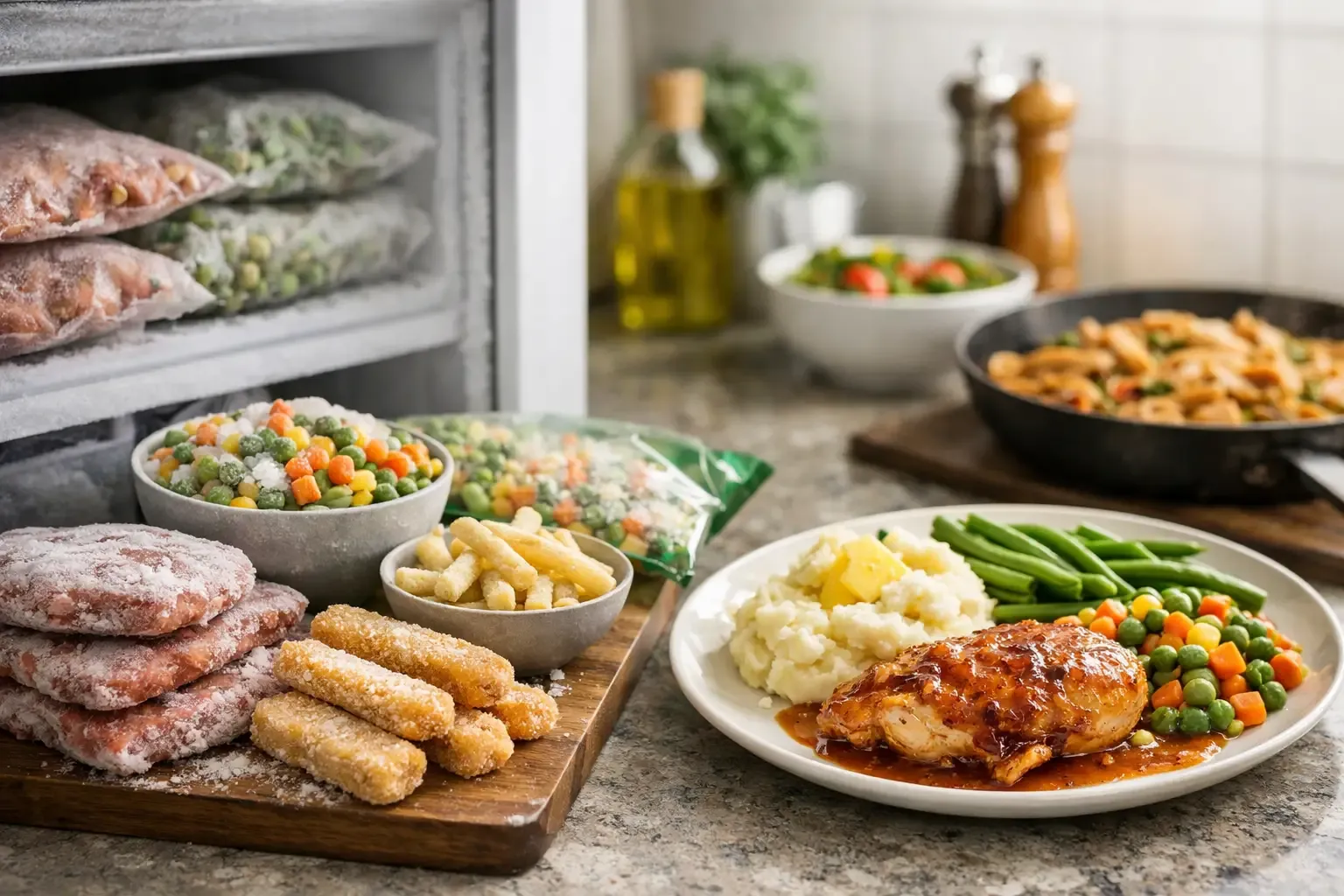
The freezer is not a graveyard for leftovers. It is a pause button. Use it early, when food is still good and you can name a realistic use for it.
Freeze extra bread in slices so you can toast only what you need. Freeze ripe bananas after peeling them. Freeze cooked grains and beans in meal-size portions. Freeze leftovers flat in labeled bags or shallow containers so they cool and thaw faster. If you make a sauce, soup, or casserole that freezes well, divide it before you are sick of eating it.
Not everything benefits from freezing. Lettuce, cucumber, and creamy sauces can lose their texture. That is fine if you intend to blend or cook them, but not if you expect them to return as a crisp salad. Match the storage method to the next use, not just to the desire to avoid throwing something away.
Make leftovers an actual meal plan
“Leftovers” is not a plan when it means a collection of unrelated containers. Give them a role. Reserve one lunch, one dinner, or one weekly clean-out meal for them.
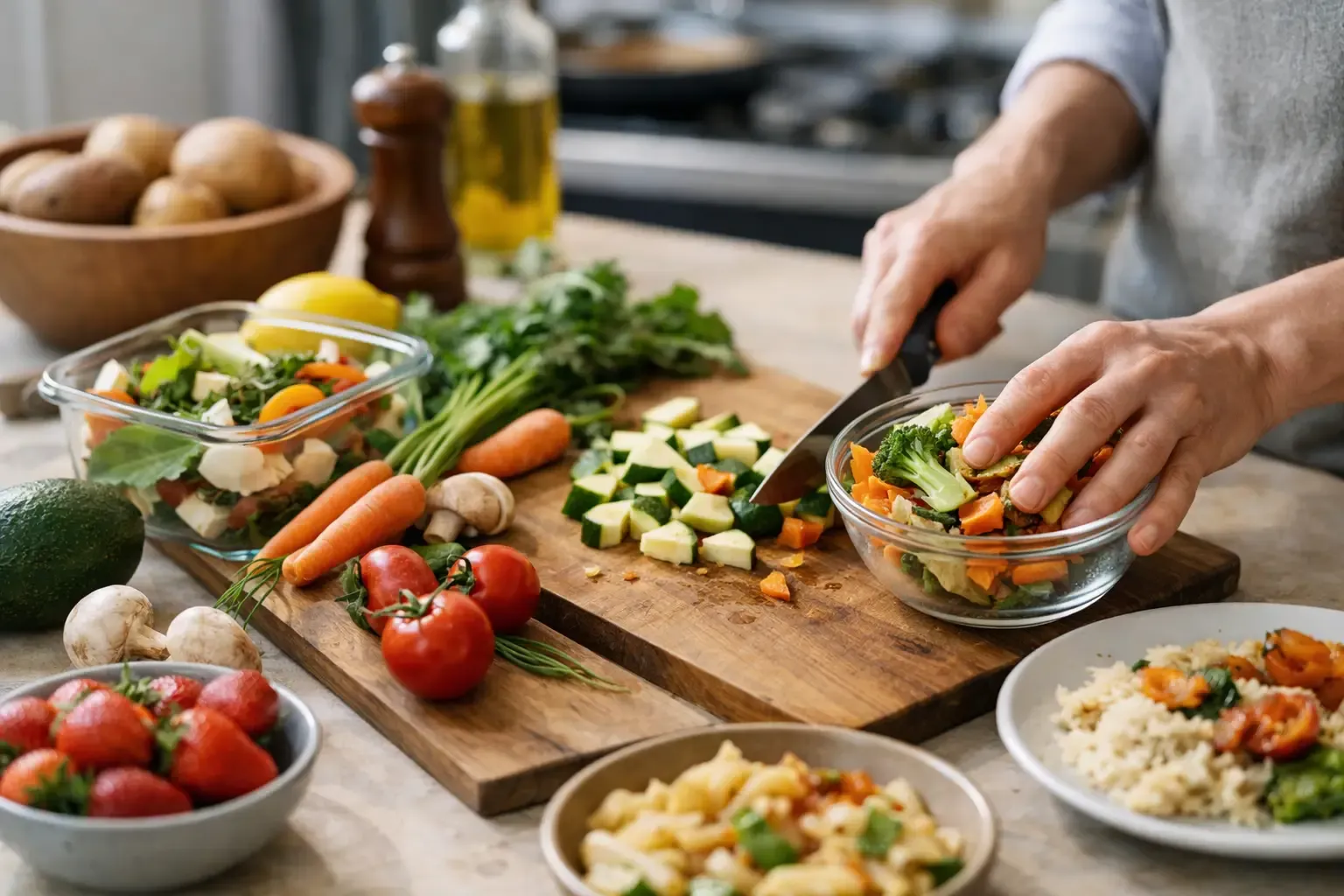
A clean-out meal works best when it has a repeatable structure: grain bowls, fried rice, omelets, pasta, tacos, soup, or baked potatoes. These formats can absorb small portions without feeling like a compromise. Add one fresh element, such as a quick sauce, fried egg, lime, or crunchy topping, and the meal feels intentional.
If you will not eat a leftover as-is, transform it quickly. Roast chicken becomes chicken salad. Cooked vegetables become a frittata. Last night’s rice becomes crispy rice with an egg. The sooner you make that decision, the less likely the container is to drift to the back of the fridge.
Track the pattern, not every scrap
The most useful food-waste habit is noticing what repeats. If you toss salad greens every week, buy a smaller package, choose heartier greens, or plan the salad earlier. If fresh herbs regularly die in the drawer, use dried herbs for routine cooking and buy fresh only for a specific meal. If takeout disrupts your plans, stock two low-effort freezer dinners instead of pretending every weeknight will go smoothly.
A little honesty makes the system better. Buy for the life you actually have, not the version where you cook an ambitious new recipe every night. Keep a few easy meals in rotation, use what is already open, and let your grocery list respond to your kitchen instead of the other way around.
The next time dinner feels like a question mark, start with the ingredient closest to its expiration date. One practical decision at a time is how a less wasteful kitchen becomes easier to run.
Cook from what you have.
Sously is the meal-planning kitchen co-pilot the blog is written from — free to start on iPhone and Android.
Get Sously