10 Best Uses for Wilting Vegetables Tonight
Find the best uses for wilting vegetables, from soups to fritters, and turn soft produce into quick, flexible meals that cut food waste each week at home.
That bag of spinach is slumped, the carrots have gone bendy, and the zucchini has lost its shine. None of that automatically means dinner is ruined. The best uses for wilting vegetables are usually cooked dishes where texture matters less than flavor: soups, sauces, sautés, fillings, and blended meals. The goal is not to force tired produce into a crisp salad. It is to use it where it can still do useful work.
A practical rule helps: vegetables that are merely soft, limp, or wrinkled can often be cooked. Vegetables that are slimy, moldy, leaking, or smell sour should be discarded. When in doubt, do not taste questionable produce to test it. Food waste is frustrating, but food poisoning is worse.
Start by sorting wilting vegetables by how they cook
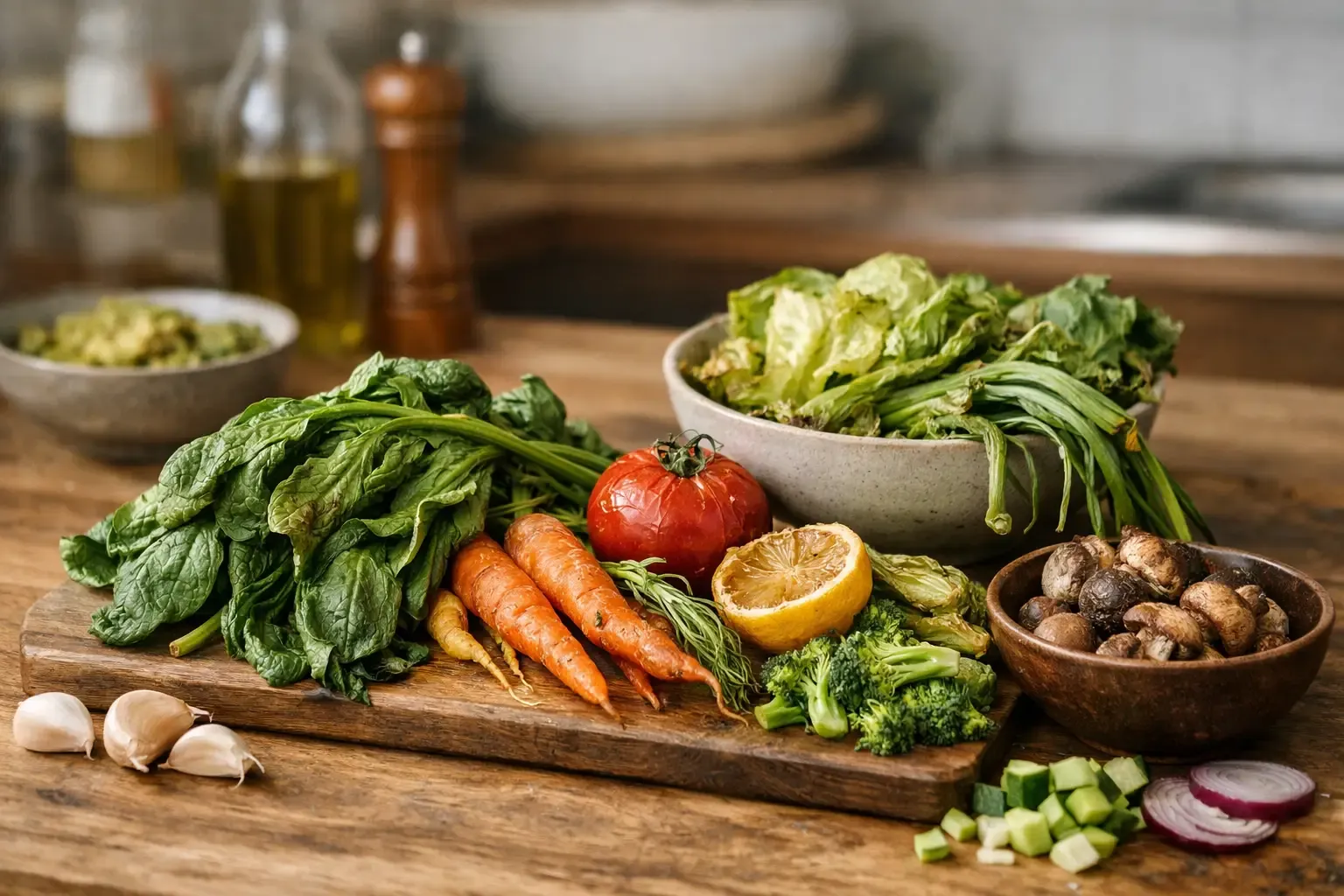
Before choosing a recipe, separate your produce into two groups. Vegetables that release water or collapse quickly, such as spinach, kale, lettuce, mushrooms, tomatoes, zucchini, and peppers, are best cooked down, blended, or folded into a filling. Firmer vegetables, including carrots, celery, broccoli stems, cauliflower, potatoes, and onions, can be revived briefly in cold water or used in soups, roasts, and stocks.
This takes less than two minutes and prevents a common mistake: putting every almost-old vegetable into one pan and hoping for the best. A watery zucchini needs a different plan than a dry carrot. Cook each according to what it has left, not what it looked like when you bought it.
The best uses for wilting vegetables
1. Soup, stew, and broth
Soup is the most forgiving option because it rewards softness. Start with onion, celery, carrots, garlic, or any combination you have. Add tomatoes, greens, zucchini, potatoes, beans, lentils, leftover rice, or pasta. Simmer until the vegetables are tender, then taste before seasoning.
For a smoother result, blend cooked vegetables with broth and a little potato, white beans, or cream. Wilting broccoli, cauliflower, squash, carrots, and leafy greens all work well here. A blender turns uneven textures into a cohesive meal, and beans make it filling enough for a weeknight dinner.
If you do not have enough vegetables for a full soup, make a small batch of vegetable broth instead. Save clean trimmings and tired-but-safe vegetables in the freezer until you have enough to simmer with water, salt, peppercorns, and a bay leaf.
2. Sheet-pan roasting
Wrinkled root vegetables and slightly soft broccoli or cauliflower can still roast well. Cut away any damaged spots, toss with oil and salt, and roast at a high temperature until browned. The dry heat concentrates sweetness, which is exactly what bland, aging vegetables need.
Do not overcrowd the pan. If vegetables are packed together, they steam and stay soft. Use two pans if needed, especially with watery vegetables such as zucchini, mushrooms, or tomatoes. Serve the result over grains, fold it into tacos, add eggs, or use it as the base for a grain bowl.
3. Frittatas, scrambles, and savory egg bakes
Eggs are a reliable home for small quantities of vegetables that are not enough to make a meal alone. Sauté greens, peppers, mushrooms, onions, asparagus, broccoli, or zucchini first to drive off excess moisture. Then add beaten eggs and cook as a scramble, frittata, or oven-baked egg dish.
This approach is especially useful when several vegetables are approaching the end at once. Add cheese if you have it, but it is not required. Leftover roasted vegetables work even better because their moisture has already been reduced.
4. Pasta sauce and skillet sauces
Soft tomatoes do not need to look pretty to make a good sauce. Cook them with onion or garlic until they break down, then finish with salt, dried herbs, red pepper flakes, or a spoonful of tomato paste. Blend if you want a smoother texture.
Zucchini, peppers, mushrooms, spinach, and kale can join the pan. The trade-off is that watery vegetables can dilute a sauce, so cook them uncovered before adding pasta or broth. If the sauce looks thin, let it reduce rather than adding more seasoning too early.
5. Vegetable fritters and patties
Fritters are ideal for grated or finely chopped vegetables that have become too soft for snacking. Zucchini, carrots, potatoes, corn, broccoli stems, and greens all work. Combine with egg and a binder such as flour, breadcrumbs, oats, or mashed beans, then pan-fry until crisp.
The key is moisture control. Salt shredded zucchini lightly, wait 10 minutes, then squeeze out the liquid with a clean towel. Without that step, the fritters can turn soft and fall apart. Serve them with yogurt, hot sauce, or a simple salad.
6. Stir-fries and fried rice
A stir-fry is fast, but it is not a catch-all. Add vegetables in stages based on how quickly they cook. Start with carrots, broccoli stems, and onions. Add peppers, mushrooms, and zucchini next. Finish with greens once everything else is nearly done.
For fried rice, use cold cooked rice and keep the pan hot. Wilting vegetables are welcome, but too much moisture will make the rice gummy. Cook vegetables first, remove them if necessary, then fry the rice and combine everything at the end.
7. Fillings for tacos, quesadillas, and wraps
Cooked vegetables need a strong partner, not a complicated recipe. Sauté onions, peppers, mushrooms, spinach, corn, squash, or shredded cabbage with cumin, chili powder, garlic, and salt. Spoon the mixture into tortillas with beans, cheese, eggs, or leftover chicken.
Quesadillas are particularly useful for greens that are too wilted for a salad. Cook the greens down first, then layer them with cheese. The result is quick, portable, and far more appealing than trying to rescue limp leaves raw.
8. Curries and coconut-based dishes
Curry is forgiving because sauce, spices, and gentle simmering bring separate ingredients together. Use onion, garlic, ginger, curry paste or powder, and coconut milk, broth, or canned tomatoes. Add firmer vegetables first and delicate greens at the end.
This is a good route for cauliflower, carrots, potatoes, green beans, spinach, kale, zucchini, and peppers. Serve it with rice, noodles, or flatbread. If the vegetables are very soft, avoid prolonged simmering. Add them later so they do not disappear completely.
9. Pesto, green sauce, and blended spreads
Herbs and leafy greens are often the first ingredients to wilt, and they are easy to repurpose. Blend spinach, arugula, kale, parsley, cilantro, or basil with oil, nuts or seeds, garlic, lemon, and a salty ingredient such as Parmesan or miso. The exact mix can vary.
Use the sauce on pasta, sandwiches, eggs, roasted vegetables, or grain bowls. For tougher greens like kale, blanch them for a minute first. This softens bitterness and gives the sauce a cleaner texture.
10. A planned leftover meal
The most reliable way to use aging produce is to make it visible before you shop again. Assign one dinner each week as a flexible use-it-up meal: soup, fried rice, pasta, tacos, or a frittata. The format stays the same while the ingredients change.
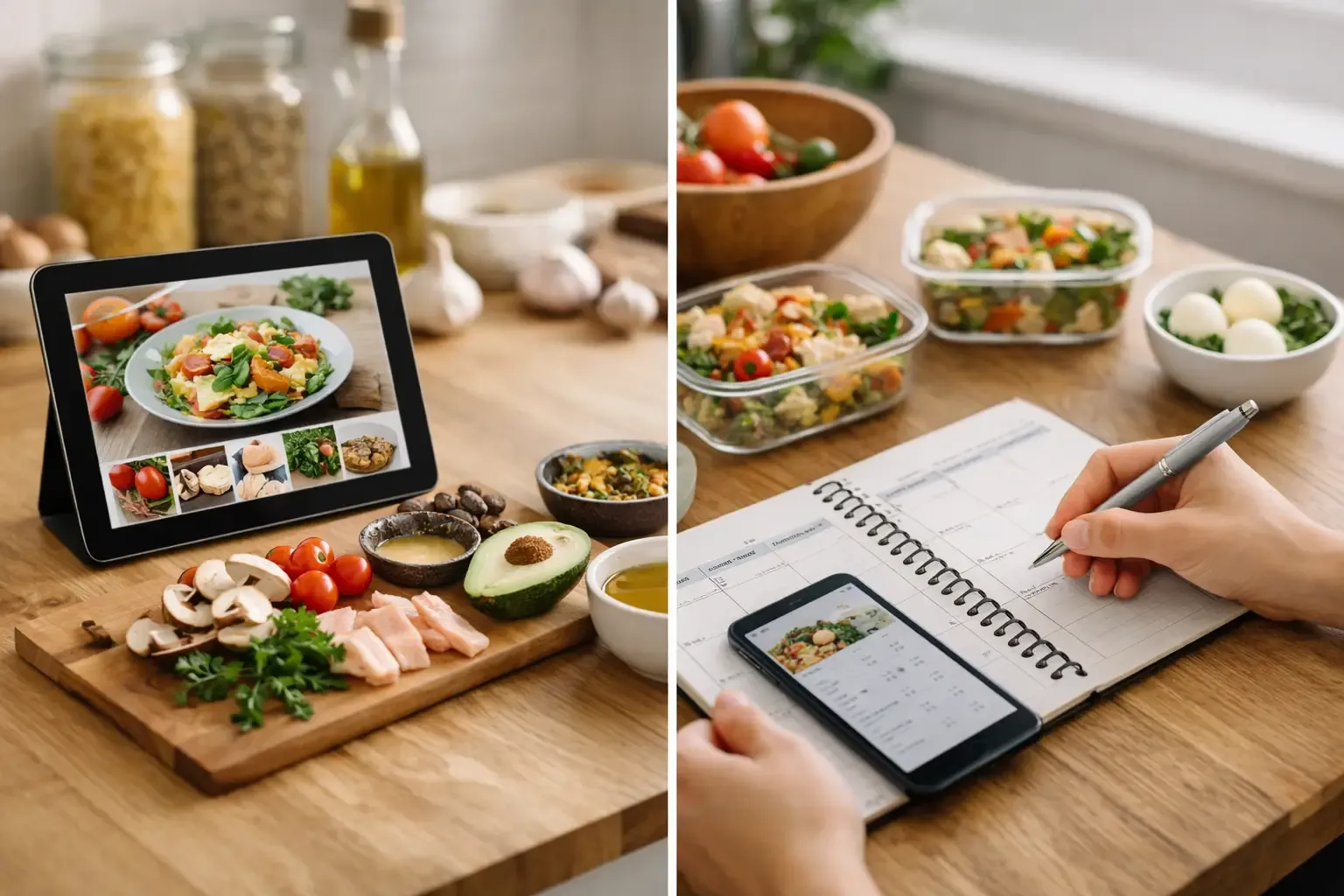
A pantry tool such as Sously can make that decision faster by showing what is already in your fridge and helping generate a recipe around it. The useful part is not another saved recipe. It is seeing the vegetables you need to use before adding more groceries to the plan.
When a quick refresh is worth trying
Some vegetables can regain enough crispness for a raw use. Trim the ends of limp celery, carrots, radishes, or herbs, then place them in cold water for 15 to 30 minutes. Leafy greens may perk up after an ice-water soak, followed by thorough drying.
This works best when dehydration is the problem. It will not reverse decay, bruising, slime, or mold. Think of it as a short reset, not a preservation method.
Build a lower-waste cooking routine
Keep the near-expiration vegetables together in one visible area of the fridge. Use clear containers when possible, and move older produce to the front after each grocery trip. Then plan one or two flexible meals around that section before buying more vegetables.
A wilted vegetable does not need a heroic rescue. It needs the right job. Cook it down, blend it, roast it, or fold it into something that was already on the menu. That small adjustment keeps dinner moving and gives your groceries a better chance of becoming food instead of trash.
Cook from what you have.
Sously is the meal-planning kitchen co-pilot the blog is written from — free to start on iPhone and Android.
Get Sously