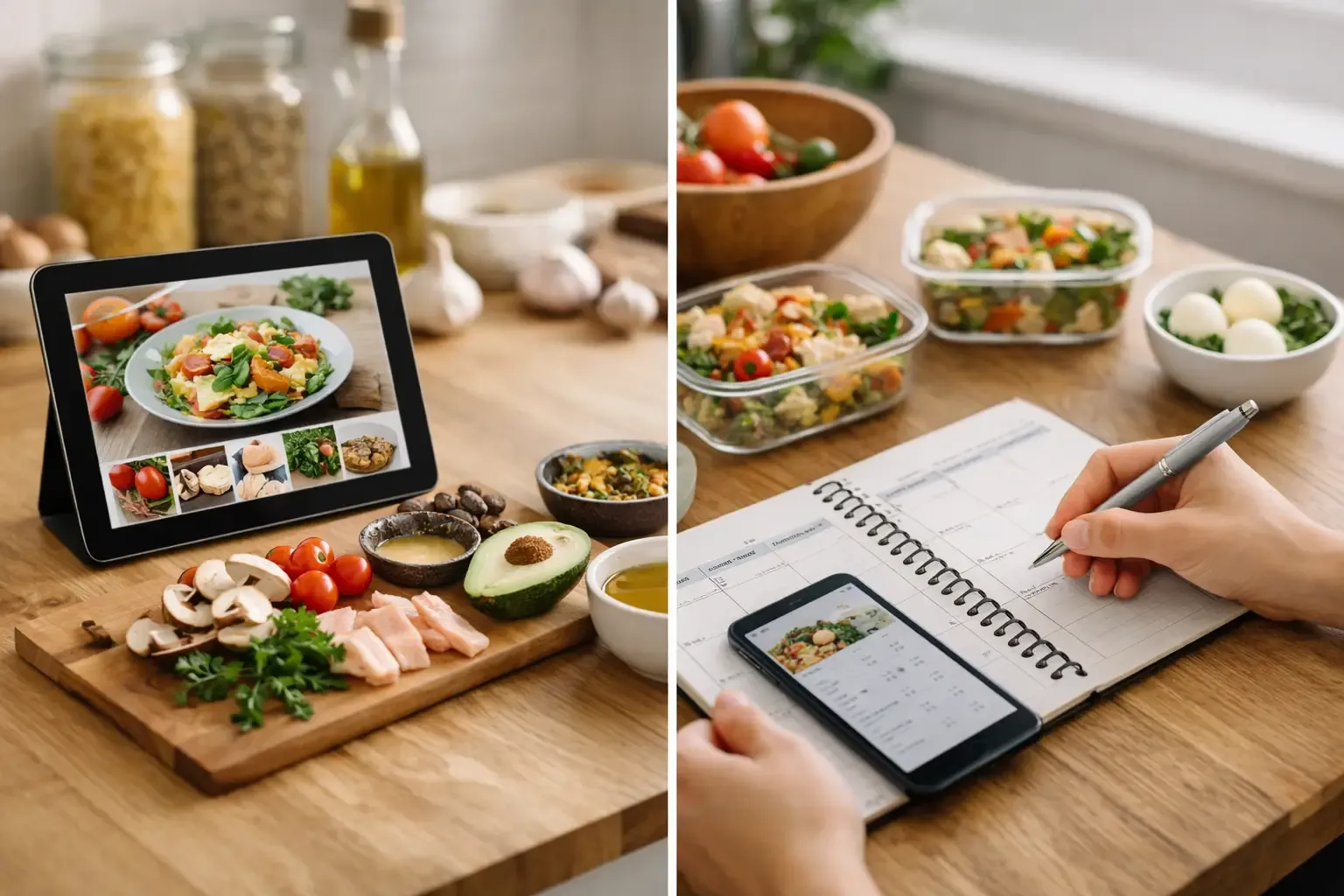
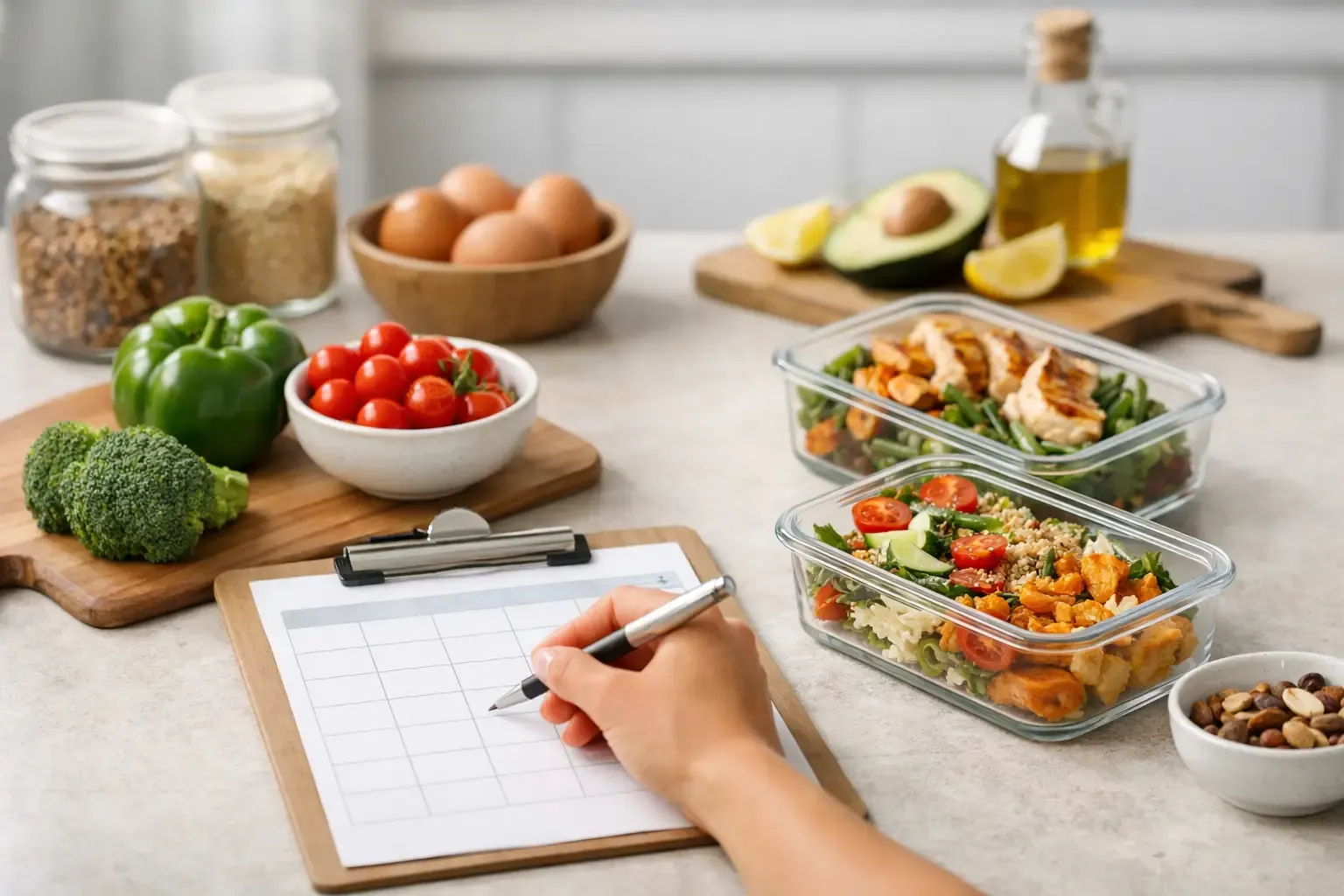
Meal Planning Templates for Small Households
Meal planning templates for small households make weeknight decisions, grocery lists, and leftovers easier - without buying food you will not use up.
A two-person household can waste food just as quickly as a family of five. The problem is not a lack of recipes. It is buying a full week of ingredients for meals that only get cooked once, then finding half a bag of spinach, three tortillas, and an open jar of sauce at the back of the fridge. Meal planning templates for small households solve that problem by giving each ingredient a job before it comes home.
The right template is not a rigid menu with seven different dinners. It is a repeatable plan that accounts for real life: one busy night, one takeout night, leftovers that need using, and groceries that come in package sizes larger than two people need. Start with a structure that reduces decisions and makes your pantry part of the plan.
What small households need from a meal plan
A small household has less margin for error. If a family skips one planned meal, the ingredients can often be used elsewhere. For one or two people, skipping a meal may mean a whole package of produce goes unused. Planning needs to be flexible enough to absorb changed plans without turning leftovers into a chore.
That changes what a useful template looks like. Instead of assigning a brand-new recipe to every day, plan a small number of cooking events and leave room to repeat, remix, or freeze what remains. Most one- and two-person households do well with three planned dinners, one leftover or freezer dinner, and one open night for eating out, breakfast-for-dinner, or whatever is already available.
A good template also separates meals by effort. Put the meal that requires chopping, baking, or longer cooking time on the night when you actually have time. Save a fast meal for the night you usually get home late. This sounds obvious, but it is where many meal plans fail: the food may be appealing, but the plan does not match the week.
The 3-cook template
The 3-cook template is the most practical starting point for couples and solo cooks. You cook three times, then intentionally use the results across the rest of the week.
Set up the week
Choose one meal that makes four servings, one meal that makes two to four servings, and one quick meal built from flexible staples. Then assign two nights to leftovers, one night to a freezer meal or pantry meal, and one night with no commitment.
For example, Sunday could be a sheet-pan chicken and vegetables that creates dinner plus lunch portions. Tuesday could be tacos made with black beans, ground turkey, or leftover chicken. Thursday could be pasta with a sauce, frozen vegetables, and whatever protein is already on hand. The remaining nights are not blank because you forgot to plan. They are intentionally reserved for the food you already made.
The strength of this template is grocery control. You buy ingredients for three main meals, not seven unrelated recipes. Broccoli can appear with the sheet-pan dinner, in a lunch bowl, and in the pasta. Tortillas can become tacos one night and breakfast quesadillas another morning. Repetition is not boring when the format changes.
This approach works best when you do not mind leftovers. If you strongly dislike eating the same meal twice, use the component method instead.
The component template
A component plan prepares ingredients that can move between meals without feeling like repeats. Rather than cooking complete leftovers, you make a few building blocks: a protein, a grain or starch, cooked vegetables, fresh produce, and one or two sauces.
Cook a batch of rice, roast a tray of vegetables, and prepare chicken, tofu, beans, or lentils. On the first night, turn them into grain bowls. The next day, use the same ingredients in wraps or salads. Later in the week, turn the remaining vegetables and protein into fried rice, a skillet hash, or an omelet.
The trade-off is that component planning needs a little more assembly at mealtime. It is excellent for households with different preferences, because each person can build a bowl or wrap differently. It is less useful if you want a fully prepared dinner waiting in the fridge after work.
Keep the ingredient list tight. One protein, two vegetables, one starch, and two flavor directions are enough for several meals. A lemony yogurt sauce and a jarred salsa, for instance, can make the same chicken and vegetables feel like two different dinners without adding a cart full of specialty ingredients.
The use-it-first template
This template begins before you make a grocery list. Open the fridge, freezer, and pantry, then write down the ingredients that need attention first. Start with produce, opened packages, leftovers, and proteins nearing their best-by date. Build the week around those items, then buy only what makes them into meals.
Say you have half a carton of eggs, mushrooms, baby spinach, rice, and frozen shrimp. That is not a random collection of food. It can become a shrimp fried rice, a spinach and mushroom frittata, and rice bowls with a simple grocery addition such as cucumber or avocado. The plan starts with what is already paid for.
This is the best template for reducing waste and trimming grocery spending, especially after a busy week when the kitchen inventory is unclear. It also makes meal planning less dependent on finding new recipes. You do not need a fresh idea every day. You need a workable next use for the ingredients already in the house.
A pantry tracker can make this easier because it removes the guesswork around what you own. In Sously, the weekly planner, Smart Pantry, and automated shopping list work together so planned meals can account for ingredients on hand before items are added to the list.
Build a template around package sizes
Small-household meal planning breaks down when recipes are treated as isolated events. Grocery stores sell bunches, bags, jars, and family packs. Your template should give those package sizes a path through the week.
Before adding an ingredient, ask one question: where will the rest go? If a recipe calls for half a bunch of cilantro, plan tacos and a rice bowl, or choose parsley instead if it has more uses in your kitchen. If you buy a large tub of Greek yogurt, schedule it for breakfast, a sauce, and baking or smoothies. If chicken comes in a larger pack, cook part now and freeze the rest in meal-size portions.
This is not about using every ingredient in every meal. It is about avoiding one-use purchases. A small household can still try new flavors, but the base ingredients should stay flexible. Canned beans, eggs, frozen vegetables, pasta, rice, tortillas, and sauces with a reasonable shelf life earn their place because they create options when plans change.
Make the shopping list follow the plan
A template only works if the grocery list reflects it. Start by counting meals, then compare each recipe against what you already have. Do not add another onion, bag of rice, or bottle of soy sauce just because a recipe lists it. Check first.
For produce, buy based on likely use rather than optimistic use. A large bag of salad greens may be a good value per ounce, but not if half of it wilts. Frozen vegetables, loose produce, and salad kits sized for two can sometimes cost more per serving while saving more money overall because they are actually used.
It also helps to keep one short backup section on the list: two proteins, one easy carb, and one vegetable that can stay in the freezer or pantry. These are not extra meals to force into the schedule. They are the safety net for a night when leftovers are gone or a planned dinner no longer sounds good.
A simple weekly reset
The template becomes easier when you repeat the same reset each week. Spend a few minutes checking what is perishable, what is open, and what needs to be replenished. Then choose your three cooking events or your core components. Put them on the days that fit your calendar, not the days that look balanced on paper.
Finally, leave space for uncertainty. Small households do not need a packed schedule to eat well. They need a plan that turns one grocery trip into several realistic meals, uses what is already in the kitchen, and gives leftovers a purpose before they become waste.
The best template is the one you can follow on a tired Thursday. Keep it small, reuse it next week, and adjust only when your kitchen proves it needs something different.
Cook from what you have.
Sously is the meal-planning kitchen co-pilot the blog is written from — free to start on iPhone and Android.
Get Sously