Shopping List App With Pantry Sync That Works
A shopping list app with pantry sync helps you buy only what you need, use what you have, cut waste, and make weeknight cooking easier.
You notice it at the store, not at home. The second jar of pasta sauce. Another bag of shredded cheese. Cilantro you were sure you needed, sitting in the fridge from last week. A shopping list app with pantry sync fixes that exact problem by connecting what you plan to cook with what you already have, so your grocery list stops working against your kitchen.
Most grocery apps still treat shopping as a standalone task. You make a list, check boxes, and move on. That sounds fine until real life gets involved. You forget what is in the freezer, buy duplicates, and end up with ingredients that made sense in the aisle but not in the context of dinner on Wednesday.
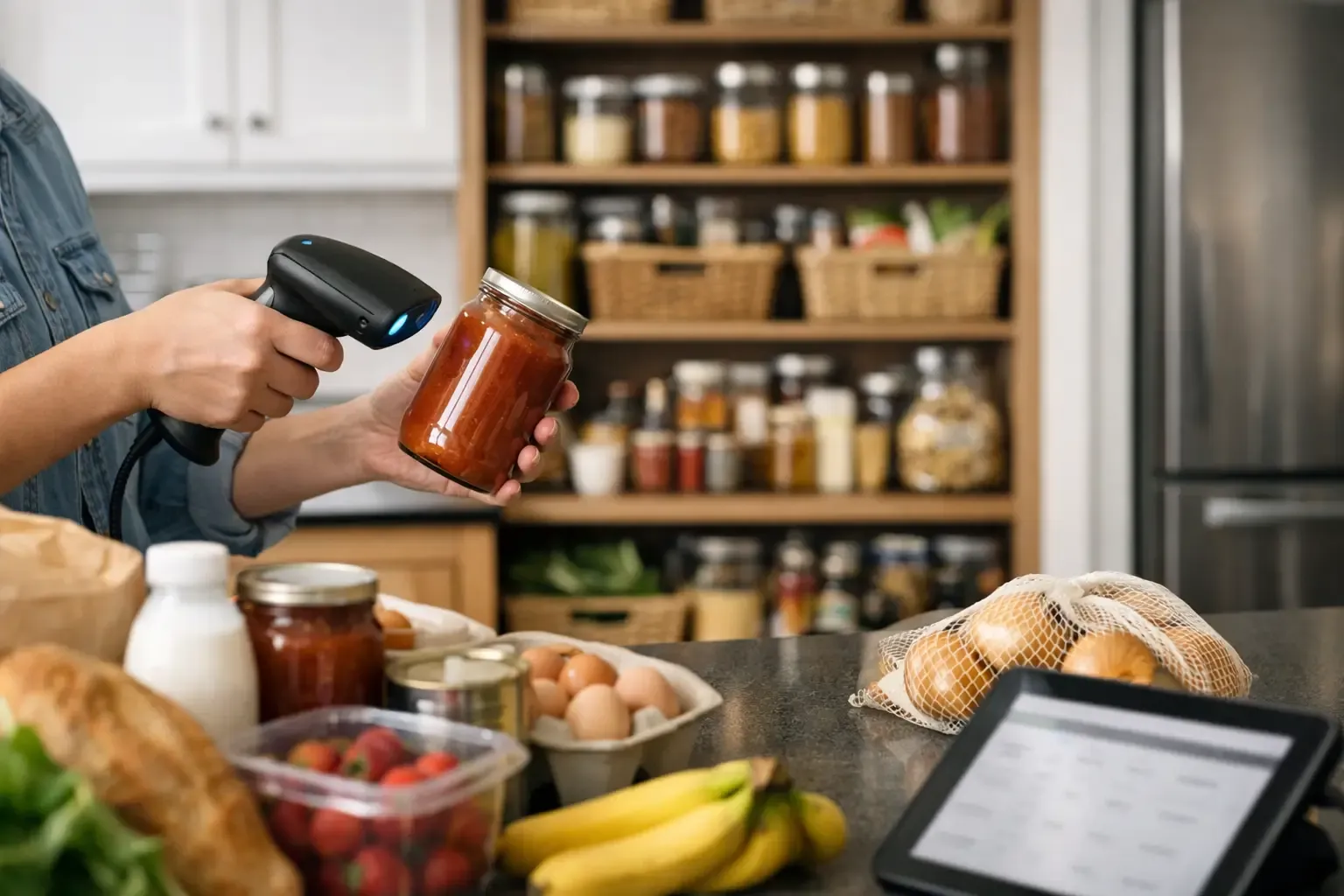
Pantry sync changes the job of the app. It is no longer just a digital notepad. It becomes a working system that tracks your ingredients, subtracts what is already on hand, and updates your list based on what you actually plan to cook. For busy households, that difference is the whole point.
What a shopping list app with pantry sync should actually do
The phrase sounds simple, but not every app that claims pantry support does the useful part. Some let you type in pantry items manually and stop there. Others store a grocery list and a pantry in separate corners of the app, with no real interaction between them. That is pantry storage, not pantry sync.
A real shopping list app with pantry sync should connect four things: your current ingredients, your planned meals, your recipes, and your grocery list. If chicken tacos are on the plan, the app should recognize that you already have tortillas and cumin, then add only what is missing. If you use half an onion for one dinner, that inventory should still inform the next recipe.
That sounds basic, but it is where many kitchen tools fall apart. The friction usually shows up in small ways. Ingredient names do not match. Units are messy. Pantry updates are too slow. Shared lists create duplicates because one person adds an item without seeing what is already in the house. When sync is shallow, you still do manual cleanup.
Why pantry sync matters more than list sharing
List sharing gets a lot of attention because it is visible. Pantry sync is less flashy, but more valuable. Sharing helps two people buy the same plan. Pantry sync helps them avoid buying the wrong things in the first place.
That matters most for repeat ingredients and partial-use ingredients. Rice, broth, eggs, spices, yogurt, salad greens, shredded cheese - these are the items that quietly drain grocery budgets because they are easy to overbuy and hard to track mentally. A synced pantry gives those staples context.
It also cuts the decision load during the week. When your app knows what is already in the fridge, meal planning gets faster. You stop asking, “What can I make?” in the abstract and start asking, “What can I make from what is here, plus three missing items?” That is a better question, especially on a Tuesday at 6:15.
The real benefits are practical, not flashy
The biggest win is not convenience for its own sake. It is fewer broken workflows.
When pantry sync works, meal planning becomes more accurate because recipes pull from a real inventory. Shopping becomes tighter because the list reflects missing ingredients instead of ideal ingredients. Cooking gets easier because you are less likely to hit the halfway point of a recipe and realize the app assumed you had garlic when you used the last bulb two days ago.
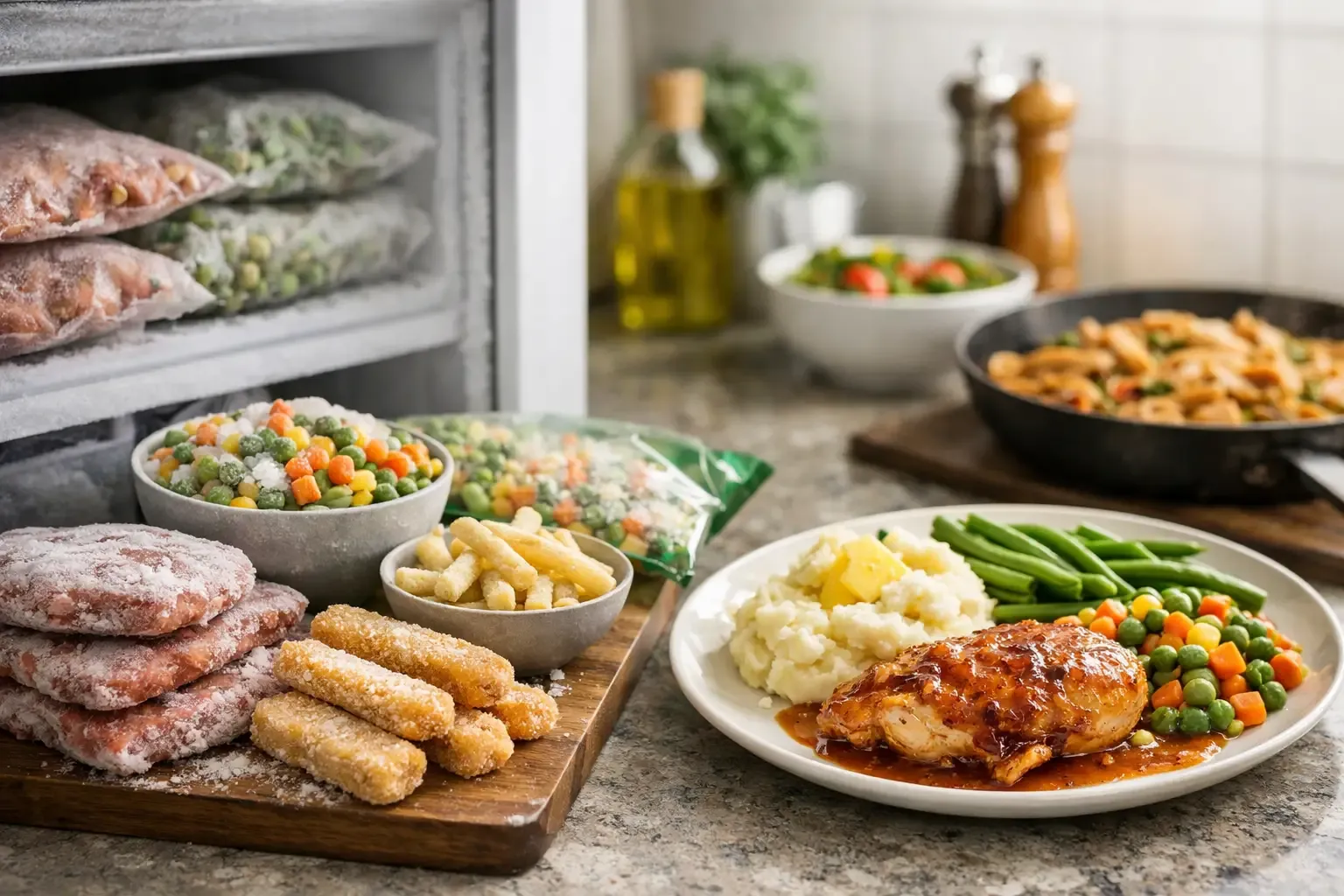
There is also the waste problem. Most food waste at home does not come from dramatic mistakes. It comes from low-grade disorganization. You forgot the spinach behind the leftovers. You bought a second sour cream because the first one was hidden. You planned meals without checking the freezer. Pantry sync reduces those small misses, and small misses add up.
For anyone trying to eat more intentionally, there is a nutrition angle too. If an app can tie pantry items, recipes, and shopping together with reliable ingredient data, it becomes easier to see what a meal actually contains and where smart substitutions make sense. That is more useful than vague “healthy eating” advice because it changes what lands in the cart.
Where most apps still create friction
The weak point is usually setup or maintenance. If logging pantry items feels like doing inventory at a warehouse, people stop after day three. If the list does not update automatically when meals change, trust drops fast. If recipes are bloated, inconsistent, or full of filler, the shopping output becomes unreliable.
There is also a privacy trade-off that many users notice now. Plenty of apps want an account before they let you test the core workflow. That is a big ask for a grocery tool. A kitchen app should prove it saves time before it asks for your data, your subscription, or your patience.
Good pantry sync needs to feel light. You should be able to add ingredients quickly, organize them by pantry, fridge, or freezer, and let the app handle the matching. If you have to micromanage every unit and expiration date to get basic value, the system is too heavy for normal weeknight use.
How to judge a shopping list app with pantry sync
Start with one question: does the app reduce manual work, or just relocate it?
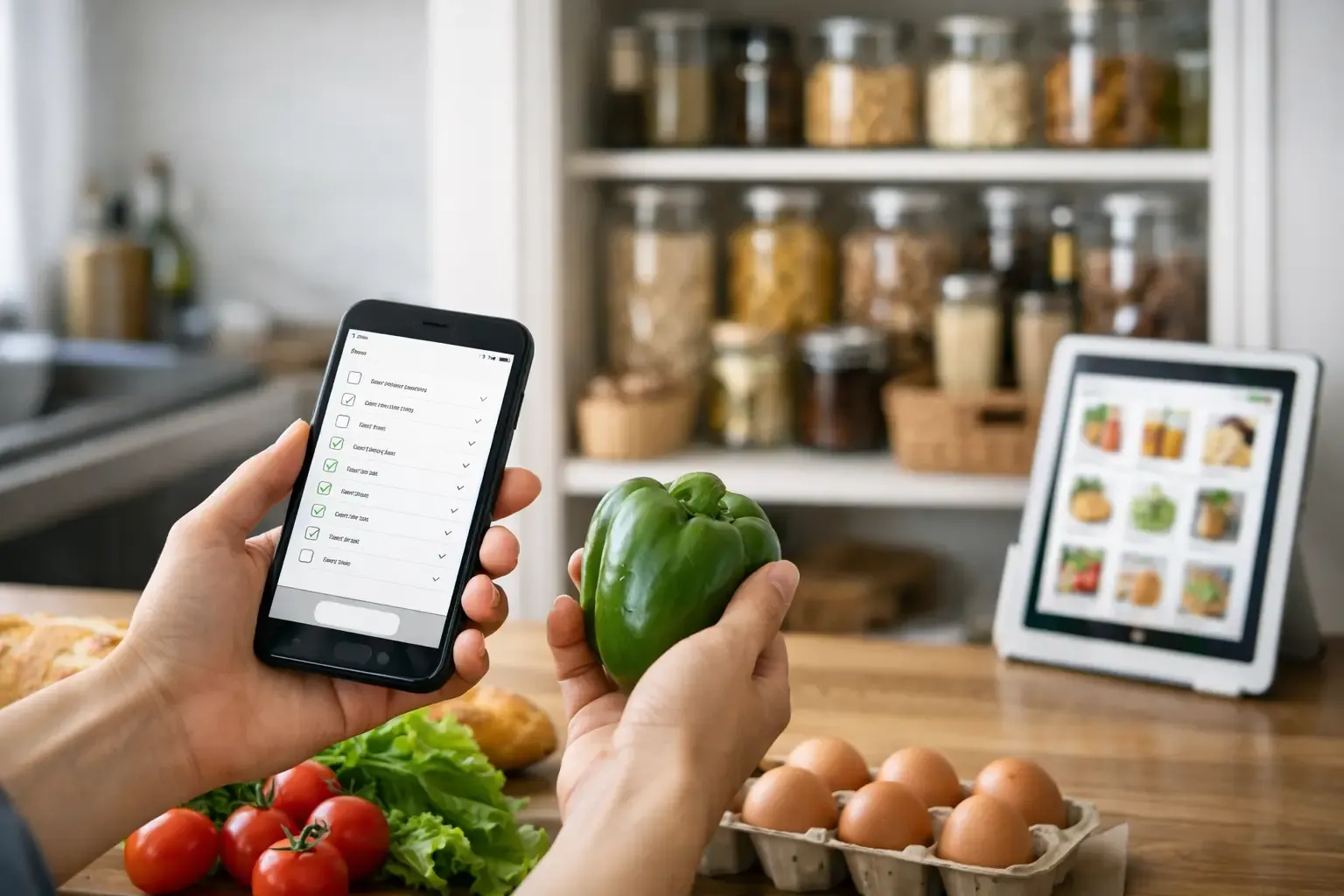
If you still have to compare recipes to your pantry and edit the grocery list by hand, the sync is cosmetic. If the app automatically subtracts on-hand ingredients, updates as your plan changes, and helps you use partial ingredients before they go bad, that is real workflow support.
The next test is flexibility. Kitchens are messy. You may have half a bag of carrots, frozen cooked rice, or an open tub of Greek yogurt with two servings left. A useful app does not need perfect precision to be helpful. It needs enough structure to make good shopping decisions without forcing you into constant cleanup.
Recipe handling matters too. The app should work with recipes you actually cook, not just a locked library built for content volume. Better systems support reusable meal plans, practical substitutions, and ingredient matching that reflects how people shop and cook at home.
And then there is speed. If adding a recipe to the week and generating a corrected shopping list takes longer than texting yourself a few grocery items, the app loses. The best kitchen software feels like a shortcut, not a project.
What this looks like in a real week
Say you plan three dinners: sheet pan chicken with broccoli, black bean tacos, and pasta with spinach. Your pantry already has olive oil, garlic, cumin, pasta, one onion, and half a bag of shredded cheese. Your fridge has spinach that needs to be used soon.
A basic list app will still let you add everything manually and hope you remember what is at home. A better system will build the week around that spinach, reuse the onion across two meals, keep staples off the shopping list, and surface only what is missing. That may sound like a small optimization. In practice, it is the difference between a clean store run and the usual overbuying.
This is where an app like Sously makes sense. The value is not that it crams in more kitchen content. It is that pantry, planning, recipes, and shopping are built to work as one system. You track what you have, plan meals around it, generate a shopping list that subtracts on-hand ingredients, and adjust as the week changes. That is useful on day one, even before you get into advanced features.
The best fit depends on how you cook
If you cook from a tight rotation of familiar meals, pantry sync helps you buy staples more accurately and reduce duplicates. If you cook more creatively, it helps you see what can be made from what is already in the kitchen. If you shop for two people, the main benefit may be coordination. If you live alone, it may be waste reduction and easier use of leftovers.
There is no perfect setup for everyone. Some people want detailed pantry tracking. Others only need enough visibility to stop buying the same six items twice. The right app meets you at that level and still saves time.
That is the standard worth using: less duplicate buying, fewer forgotten ingredients, faster meal planning, and a shopping list that reflects reality. If your current app cannot do that, it is not organized. It is just digital paper.
A kitchen runs better when planning, pantry, and shopping stop acting like separate jobs. Pick the tool that respects that, and weeknight cooking gets a lot less noisy.
Cook from what you have.
Sously is the meal-planning kitchen co-pilot the blog is written from — free to start on iPhone and Android.
Get Sously